Not Paris, Texas, nor London, Kentucky

I am not a good traveler.

My wife, the Commander Supreme, can confirm this for you.

She knows that if it wasn’t for her, I couldn’t travel.

I’d never make it on to the plane.

This trip was not about Paris, Texas, or London, Kentucky.

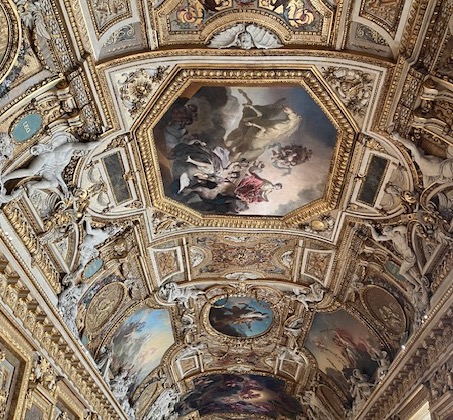
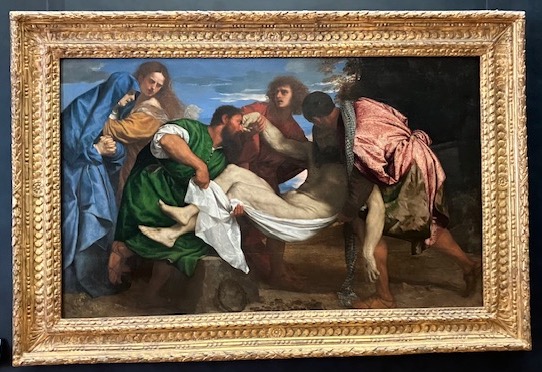
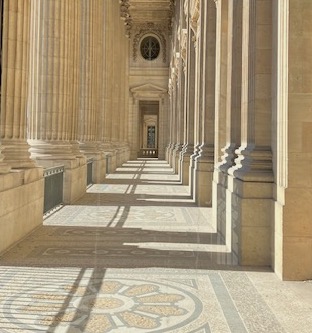
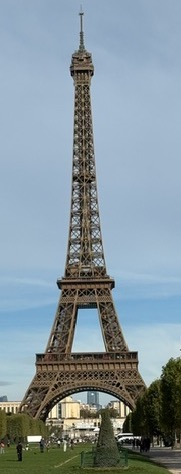
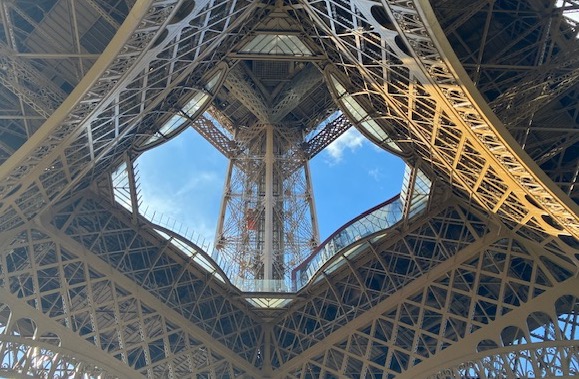
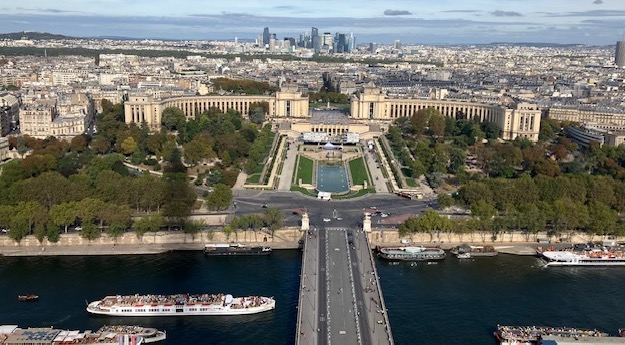
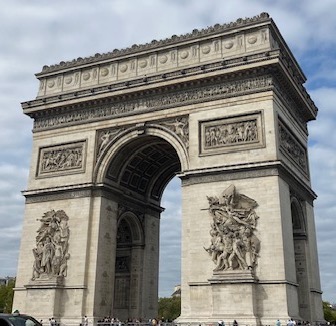
No, this trip was about Paris, France, a cruise down the Seine River, Normandy, and London, England.

I recall the exact moment when this trip was pitched, discussed, and booked.

In October 2025, we were in Greensboro for our 50th college reunion. We were invited to breakfast at the home of my college roommate and his wife, Butch and Marian Sherrill. Our friends, Dan and Judy Callow were there too.

After breakfast, the ambush occurred. The trip was pitched. I thought wait a second, a few months ago we all returned from our trip to Alaska. Now, my pals are pitching another trip. Where is the economic recovery from that trip in your thinking?

Things started moving faster than a Frenchman swallowing a snail.

Next thing I knew, a call to Grand Circle was taking place.

Next thing I knew, we were signed up for this trip.

My wife and our cherished friends were all smiles—mission accomplished.
The morale of this story— be wary of a simple breakfast invitation with beloved friends.

From September 1 thru September 19, we were in constant motion. I find that you endure that constant movement because of your traveling partners.

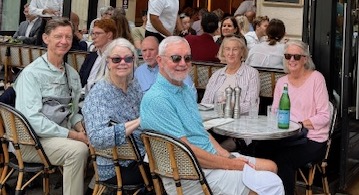
In our case that meant the Callows and Sherrills. I don’t know how or why, but in our mental makeups, there is a tolerance, a patience, a give and take, humor, and wisdom that gets us through these journeys. Even in nerve plucking moments, our hearts guide.

For this trip, we worked with Grand Circle. The Callows and Sherrills have traveled multiple times with this company. This was our first trip with Grand Circle.

In my limited travel experiences with cruise lines, it all boils down to their personnel. Do they have the right people working behind the scenes, and do they have the right people in public? Fortunately for us on this trip, Grand Circle did.

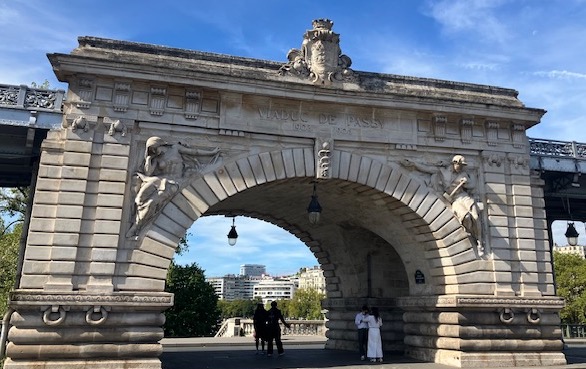
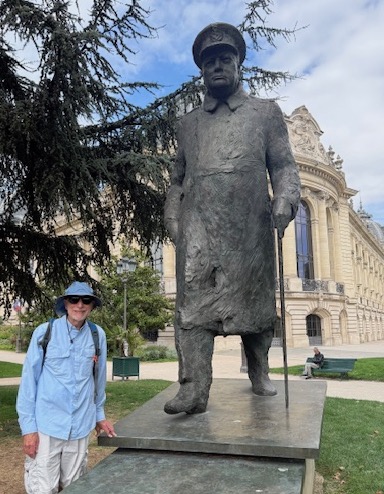
For this trip, I selfishly had three goals—make it to Normandy and the D-Day beaches, the Churchill War Room, and the famous crosswalk where the cover for the Beatles’ album Abbey Road was photographed.

Thanks to my wife and our pals that mission was accomplished.

Trips like this don’t happen without brains better than mine doing lots of planning.

On Thursday, June 25, the Sherrills drove from Greensboro to Richmond. They spent the night with us. On Friday morning we drove to Maryland where the Callows live.

Outside of Frederick, Maryland, we had a delightful lunch and visit with the Callows son and his family.

After lunch, we drove to Highland where Dan and Judy reside. For the remainder of Friday and a good portion of Saturday, the Callow’s dining room became our “war room.”

Months ago, our reservations had been confirmed and secured with Grand Circle. This planning was figuring out our three days in Paris prior to boarding the ship, and our three nights in London after leaving the ship.

Previous traveling experiences, detailed lists, maps, computer apps, phone apps were all put to use to carve these days. I sat quietly and watched.

A final session on Sunday morning confirmed assignments and deadlines. These were not assignments for slackers. Success in Paris and London depended upon making reservations and purchasing tickets when necessary.

During July and August, phone calls, text messages, emails, and an occasional Zoom molded and shaped the itinerary. By August 30, we questioned how our packing was going, and on August 31, we were in motion.

The Callows had a direct flight into Paris from BWI in Baltimore.

As we all know the pricing of airline tickets can go from very reasonable to outrageous. To avoid the outrageous, it was cheaper by $1,500 dollars for Betsy and me to drive to Greensboro to fly to Philadelphia to Paris than attempting to do that via Richmond.

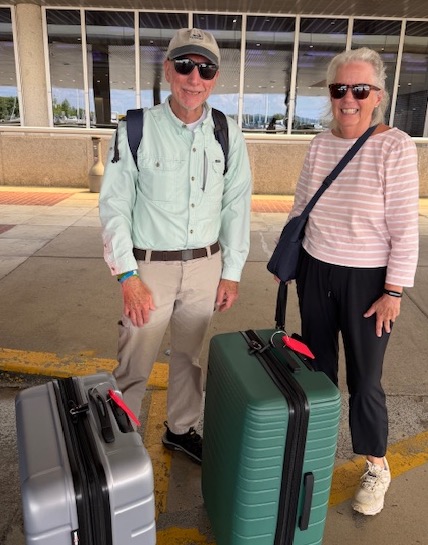
So on August 31, we drove to Summerfield where our oldest daughter, Lauren and her family live. We left our car in their driveway, and Lauren drove us to the Greensboro airport—a short drive.

Arriving at the Greensboro airport (Photo Lauren Reinking)

The Sherrills live in Greensboro. One of their sons-in-law dropped them off, and once we checked in and cleared security, we met in the American Airline terminal and waited.

I’m impatient in waiting to board a plane. I don’t sit. I walk the terminal. I figure I’m going to be sitting on a plane a long, long time, so, I keep moving until the call to board is announced.

Our flight to Philadelphia kept getting delayed. Eventually the travel gods cooperated. The plane arrived, we boarded the EMB145, the pilot gave us an update, and we were off.

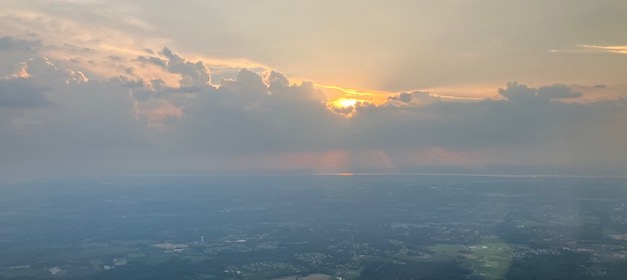
Coming into Philadelphia, thunderstorms were brewing. This line of storms didn’t impact our landing, but a storm did erupt over the airport. Fortunately, this line of weather moved quickly. Its impact on our departure was minimal.

Approach into Philadelphia (Photo Bill Pike)

No matter what airlines try, boarding a plane is a nightmare. The massive 787 was built to carry lots of passengers and their junk, but boarding is still a pain.

The Captain told us to expect a delay in departing. To his surprise air traffic controllers gave him the green light to go sooner than anticipated. With that he gunned the engines, and we were barreling down the rain-slicked runway bound for Paris.

I wonder what Charles Lindbergh might think about this big sheet metal monster compared to his Spirit of St. Louis.

Soon, the lights of Philadelphia and the east coast of America were gone. Darkness consumed this big bird in its flight path across the Atlantic.

On long flights, I never look at my watch or track the plane’s path. To me that only makes the anguish of the flight longer.

If the plane’s technology is working, I watch movies to escape the slow moving hands of time.

On this flight, none of the new move releases interested me. I watched Stand By Me, the first Toy Story, and a documentary about Lorne Michaels, the creator of Saturday Night Live. I know at times I dozed off. That dozing kept the clock moving.

Thank the good Lord for tailwinds. Those winds helped the pilot and crew to bring us into our approach for landing at Charles De Gaulle Airport sooner.

Departing the plane is more madness.

Once off, we regroup, get our bearings, find a restroom, and start working our way toward customs, luggage, and finding our Grand Circle representative.

With some luck, everything works, and soon Grand Circle personnel have us loaded with our luggage into a van.

We have a good driver who finds his way to our hotel without too much heartburn.

Check-in at the Hotel Le Bellune is seamless.

It is here that we meet our key Grand Circle contact person, our guide, Matt.

For the next fourteen days, Matt will be our pivot point. From France, Matt speaks impeccable English. More importantly, he knows how to work with people, all kinds of people, even wacky American tourist like us.

Later in the afternoon, we have a welcome, a briefing, and then a tour led by Matt of the neighborhood surrounding the hotel.

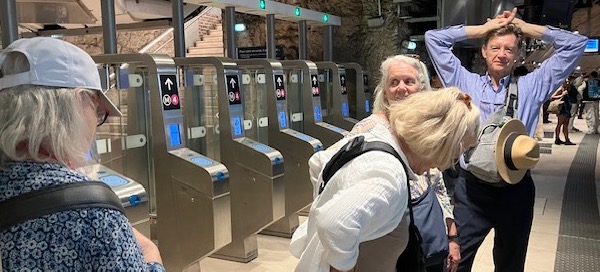
At the briefing, we are given our Metro passes, a listening device nicknamed “whisperer” and an overview of the game plan until we board the ship on Saturday.

With the tour of the neighborhood, our first lesson is about the bicycle lanes that run parallel to the sidewalks. Look both ways, lots of Parisians ride bikes.

Matt gives helpful hints about interacting with shopkeepers and restaurant staff. We see the locations for a grocery store, pharmacy, and a bank. Matt knows the neighborhood so he quietly points out places not to enter.

After the tour, we opt to have dinner in the hotel. We finalize our departure time for day one of exploring Paris, and then we head to our rooms and collapse.

Merci!

North Carolina Coast: Surf City On Topsail Island

This was one of those rare moments with our summer calendar. Everyone in our family had the week of July 11-18 open. That meant we would be traveling to Surf City on Topsail Island.

Having grown up in Burlington, I remember as a kid traveling to the North Carolina Coast. Carolina Beach, Long Beach(now Oak Island) and Bogue Sound were visited.

Life was a lot simpler then. Ocean frontage and quiet sound vistas had not been fully developed.

After college, in 1975, I moved to Virginia. Yet after all these years, the North Carolina coast still pulls at my heart.

While my family and I haven’t explored every beach town on this coastline, I have determined that from the state lines of Virginia to South Carolina, the North Carolina coast is something unique, uncommon, a place worthy of our continuing respect.

More than anything, I respect the coastline’s endurance.

Somehow, no matter what mother nature and human beings cast upon this fragile shell, the land and water hang on.

At times, that might mean hanging on like washed out sea oats and on storm battered dunes. Regardless of that pounding, these barrier islands, narrow ribbons of sand survive.

Deep inside our souls, we know these barrier islands should not have carried the burden of being developed. But, we couldn’t resist. As much as I despise the journey down I-95 from Richmond, I can’t refuse an escape to your coast.

For this trek, we survived I-95, and the multiple state highways that lead us to the Surf City Bridge on a busy Saturday afternoon. Sunday morning, I took a run over the bridge.

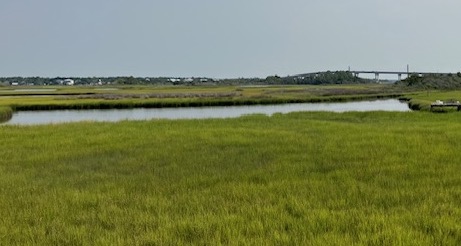
Surf City Bridge in distance (Photo Bill Pike)

From that view, I could see the wide Intracoastal Waterway and the nooks and crannies of the marshlands. Those marshlands are such a critical part of preserving the tidal ecosystems.

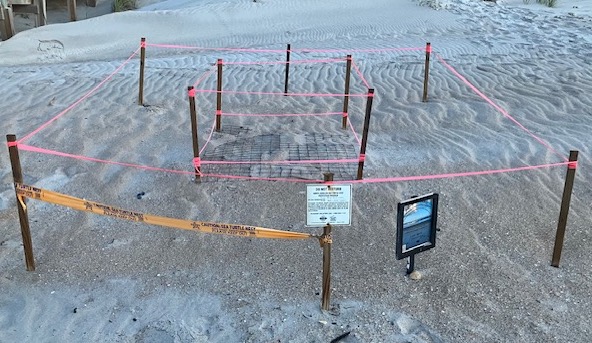
Walking on the beach, I admired the preservation of a turtle’s nest. I appreciate the time and dedication of the volunteers from the Topsail Turtle Project who monitor these sites.

Protected turtle nest (Photo Bill Pike)

One day, I chatted with a life guard about his work. A community college student, he described his training and the challenges he and his peers face. Keeping an eye on the public with the whims of the ocean is no easy task.

From our rental, we had a short walk into the heart of Surf City. One afternoon, our grandkids enjoyed a visit to the Topsail Aquarium. Even in a small space, there was lots for our grandkids to see, touch, and learn.

That same afternoon, I had the opportunity to learn from a loyal employee at a gift store that is connected to the IGA grocery store.

Thirty two years ago, the gift shop employee and her husband moved to Topsail. We talked about how the island had changed.

She recalled quiet early mornings at their home. Sipping her first cup of coffee, she watched deer in a small forest of trees.

Those deer are gone, along with the trees, replaced by housing. She lamented, “they call that progress.”

I understand her sentiment. It seems like every square inch of the south side of the island has been developed.

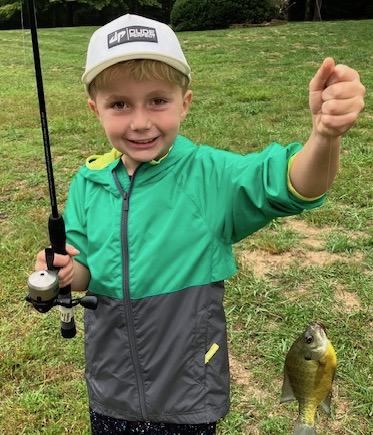
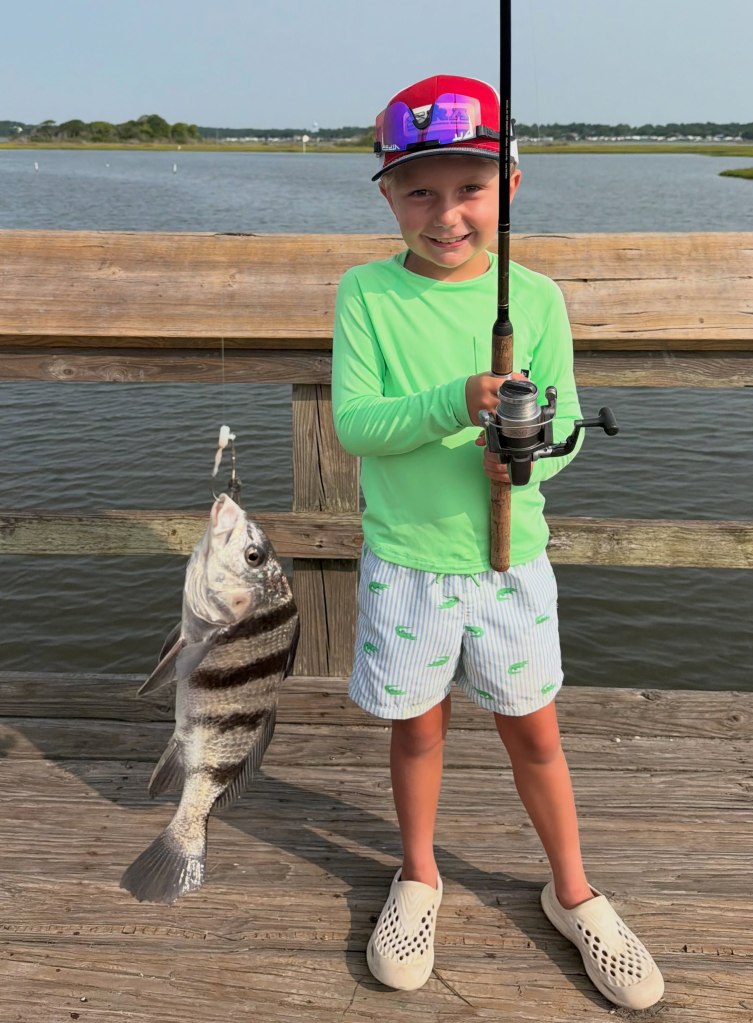
And that is why I respect when communities preserve a piece of land for a park. The boardwalk at the Kenneth D. Batts Park is perfect for taking in the tidal salt marsh, and its made even better when your grandson catches a fish from the pier at the end.

Happy fisherman (Photo Lauren Reinking)

At 73, I have no idea how many more trips to this stunning coast I’ll be able to make.

But, I’m really not thinking about me.

It’s about our grandkids.

Our four gems (Photo Elizabeth Cates)

I hope North Carolina will cherish, respect, and protect this treasured coastline.

That way our grandkids, and maybe their children can watch the sun rise over the Atlantic, chase minnows in tidal pools, and daydream as pelicans gracefully glide over the crest of a wave.

Sunrise (Photo Bill Pike)

North Carolina don’t let them down.

A run over the Surf City Bridge

Day Two Sunday, July 12, 2026


I was up early this morning. Rarely, rarely am I not up early. My body’s internal clock must be locked to civil twilight.

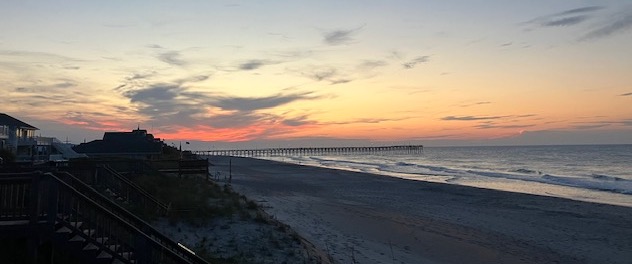
Initially, I didn’t see the sunrise. I saw the power of its early predawn light casting shades of orange and pink into scattered clouds.

Predawn colors starting to show (Photo Bill Pike)

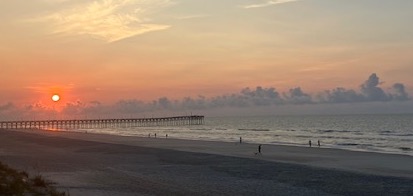
Over the next fifteen minutes, the sun kept slowly rising, and gradually, the familiar orange ball peered over the Atlantic Ocean.

The sun appears (Photo Bill Pike)

As the sun is waking, I do some exploring on the beach.

I notice the lightweight pattern of a bird’s feet or a crab’s scrabble leaving an imprint on the sand.

Someone has been here. (Photo Bill Pike)

With help of the wind, in some sections, the sand is shaped and rippled.

Pretty swells of sand (Photo Bill Pike)

And there is nothing better than discovering a protected location for a sea turtle nest.

A well marked sea turtle nest (Photo Bill Pike)

Since our rental house was close to the center of Surf City, I opted to go for a run—a run that would take me across the massive Surf City Bridge.

I don’t know how much longer my old body will take me out for a morning run, but I secretly hope— forever.

In working my way toward the bridge, the road is flat and straight as it parallels the beach front. Earlier this morning, our son had run across the bridge. He gave me a few pointers for accessing it.

Careful to abide by pedestrian crosswalks, and early morning traffic merging into the roundabout, I found my way to the bridge.

The flatness of the road surface disappeared. Eventually, my legs were working me up an incline were the arch of the bridge construction peaks. This incline is gradual as the bridge sits 65 feet above the water.

Planners were thoughtful with the design. The bridge not only features stunning views of the tidal areas along the Intracoastal Waterway, but a bike lane and a wide walkway for walkers and runners.
I have ample room to run, but I am mindful of other runners, walkers, and bicycle riders. We all appear to be mindful of each other.

The view no matter where I look is remarkable.

I can only begin to imagine what accessing the island was like before any type of bridge was in place. My guess is that Topsail Island enjoyed its solitude.

I know this—I will cherish this 36:59 run for many years.

By midday, our oldest daughter and her family had arrived. Unfortunately due to work commitments, our son-in-law would only be with us until Wednesday.

The energy level in the house picked up as our four grandchildren enjoyed their beach time and an assortment in-house activities.

In the pre-trip planning, a meal schedule was worked out. Culinary skills would be showcased and tested, but this was no Food Network contest. Nope, just an opportunity to feed twelve hungry beach lovers at the end of the day.

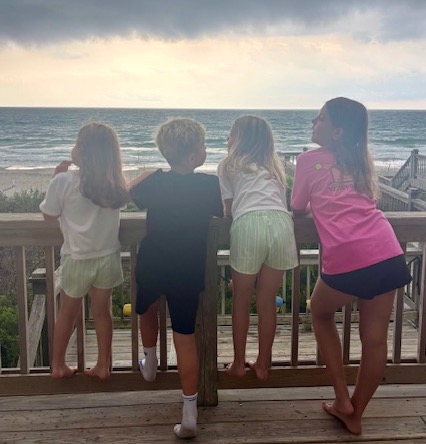
After dinner, the four cousins converge on the deck. They watch storm clouds starting to roll in over the ocean.

Cousins checking out the weather (Photo Elizabeth Cates)

My mind thinks back to our ride through the tiny coastal plain communities we saw yesterday. That apparent poverty is such a contrast to the real estate wealth on the island.

We design and build a $54 million dollar bridge, but we appear to be incapable solving our poverty in America.

Why is that?

If we have the will to build a $54 million dollar bridge, shouldn’t we have the will to solve poverty?


More importantly, what am I doing with my will toward helping to solve that poverty?

(Photo Bill Pike)

Getting Away: Surf City On Topsail Island, North Carolina

Day One Saturday, July 11, 2026

The goal was to be on the road by 10 a.m. By 9:45, we were pulling out of our Richmond driveway.

Earlier that morning, I commiserated with our next door neighbor whose family was heading to Atlantic Beach, North Carolina. While our destination was Topsail Island, North Carolina, we both would be at the whims of I-95.

From Maine to Florida, I-95, America’s east coast interstate, eagerly awaited us.

No matter how many attempts designers and engineers with expertise in road construction and traffic control have made to improve this connector of cities and states, in a blink I-95 can become a nightmare.

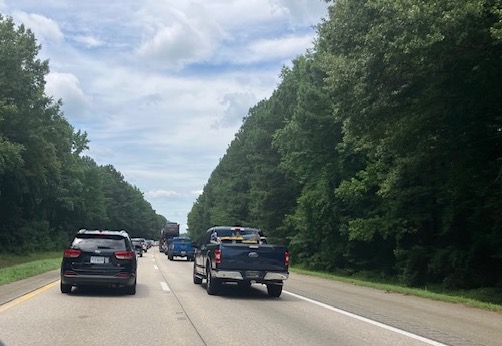
We did pretty well until 12 noon. That’s when my Commander Supreme’s phone turned bright red.

Slowed traffic on I-95 (Photo Bill Pike)

It wasn’t long before both southbound lanes began a slow crawl down the overheated road surface. We heard no sirens from emergency vehicles. Saw no flashing blue lights from state troopers rushing along the breakdown lane. No flashing signs telling drivers to move into the left lane. No tow truck drivers with yellow lights flashing following the state troopers.

No, what caused this two lane backup was a broken down tractor trailer in the travel lane. Apparently, the truck decided to die in such a way that the driver was not able to coax the monster into the breakdown lane.

Eventually, we worked our way off the interstate to a maze of North Carolina highways that with the correct turns would lead us on to Topsail Island. I can tell you this—I wouldn’t recommend making this drive in the dark of night.

The further east we drove into the coastal plain the deeper you move away from what I take for granted in Richmond.

Way out here, drugstores and storage units are not on every corner. There is no sprawl.

Much of what drivers see in these tiny communities are single, stand alone businesses— a Family Dollar store, a service station at an intersection, and an occasional non-chain restaurant.

Interestingly, we did pass multiple churches, sometimes a school, lots of trailers, and large plots of farmland with corn, soybeans, tobacco, and cotton. It was clear that North Carolina like Virginia is in the midst of a significant drought.

The impact of the drought was most notable with the corn. The corn was parched, stunted by the lack of rain. The corn’s normal lush green has been baked by the sun squeezing out its internal moisture and fading the green.

Hopefully, the drought will gradually resolve itself without too much hurt to farmers and consumers.

On the last miles before the beach, the real challenge for me is trying to figure out why we have been unable to solve and stop the generational cycles of poverty.

All along this route, I see weary looking house trailers. Abandoned, overgrown, houses dot the landscape too. I wonder how many families on either side of the road are barely hanging on? Do they feel any betrayal from the politicians they have supported over the years? Why can’t we break these cycles?

As we approach Surf City on Topsail Island, the traffic lights are blinking red. Trained volunteers are placed at these critical intersections. The volunteers had the challenge of directing all of us crazed tourists before we crossed the intercostal waterway on the Surf City Bridge.

Once over the bridge, we worked our way around the traffic circle to our exit. We drove a short distance before we hooked a left on Raleigh Avenue followed by a quick right on to South Shore Drive. A few more feet, and we arrived at our home for the week—Sitting In The Sand.

Hot, humid air greeted us. Unloading cars started.

Members of our family who were scheduled to arrive on Saturday made it safely.

As we settled in, plans were made to visit the beach and order pizza for dinner.

The house appears to be perfect for our needs. The restless Atlantic Ocean will be in our sight lines all week.

And, I’ll have lots of time to ponder my generational poverty question.

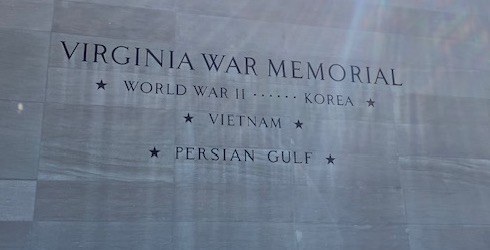
Memorial Day at the Virginia War Memorial: “Say Their Name Marathon”

My friend, Mike Cross, is a United States Marine Corps veteran.

Sgt. Cross served America during the Vietnam War.

Sgt. Cross rarely speaks about his tour of duty in Vietnam. As you might well know, all wars are tough, disquieting duty.

Sgt. Cross is also a docent at the Virginia War Memorial—an excellent docent.

In the Spring of 2025, I learned from Sgt. Cross about a new program that the Virginia War Memorial was initiating for Memorial Day. The program is called “Say Their Names.”

“Say Their Names” is simply a reading of the names of “Virginia’s fallen heroes” from America’s wars. The reading of the names “ensures that their names and memories will not be forgotten.”

I was able to sign up on-line for two slots.

On Memorial Day afternoon in 2025, I drove to the Virginia War Memorial. Readers were asked to arrive thirty minutes prior to their designated start time.

Arriving early gave me the chance to read through my list of names. In that silent practice, War Memorial staff were available to answer any questions about pronunciation. Additionally, the staff made sure that your pacing for the reading of the names would not be too quick or too slow.

My first slot was at 4:09 p.m. My next one was at 4:12 p.m.

As the reading time approaches, War Memorial staff lead the readers outside into the Shrine Of Memory.

Readers also receive simple instructions about the cue for approaching the podium. There is no sprint to the podium, but no second is lost in keeping to the scripted timing.

Luckily for both of my assigned time slots, my pace was good, and most importantly, I did not mispronounce the names.

While waiting, I sat and listened to the reader at the podium saying the names from their list.

In the background, the whirring of car tires could be heard from out on Belvidere Street and an occasional gentle toot of a train horn from a freight train ambling along the tracks by the James River would roll up from the bluffs below.

But nothing disrupted the quiet, respectful dignity of the cadence of the names being read as that singular voice at the podium filled the Shrine of Memory.

Of course, these “fallen heroes” deserved every second of that solemnity.

I can only begin to imagine the harshness of the environments in which many of them perished.

During my first four years of teaching, I was hired as a Title VII Remedial Reading teacher at the Martinsville Junior High School in Martinsville, Virginia. Martinsville is located in Henry County, Virginia.

Some of the names I read were from Henry County. As I read, I recalled a few familiar last names that came from the last names of former students. I wondered if the hero might be a relative.

One thing is clear, we have lost too many Americans in our wars. In the Shrine of Memory, there are close to
12,000 names inscribed on the glass and stone walls.

These sacrifices in combat start with World War II and include every war and conflict where America has deployed our troops since then.

If this inaugural “Say Their Names” event is offered next year, I will attempt to sign up again as a reader.

Today, part of me feels that America is more interested in Memorial Day as a holiday weekend and the retail sales events that are linked to this unofficial start of summer.

Taking Memorial Day for granted isn’t good thinking.

In the last chapter of Tom Brokaw’s book, The Greatest Generation, he describes a Memorial Day in South Dakota. Mr. Brokaw was visiting his father’s brother, John, a World War II veteran.

On this Memorial Day, his uncle asked Mr. Brokaw to go with him to the Bristol cemetery. For years, John Brokaw had been the person who placed a small American flag on the graves of veterans.

John Brokaw had handed off this responsibility to a veteran from the Korean War, but John worried that his friend might not know the exact location of the graves of the veterans. So, on this day, he was still helping out and guiding his friend.

Watching these two veterans placing the flags on the appropriate graves, Tom Brokaw wrote: “It was a ceremony of honor, remembrance, and renewal played out in countless other cemeteries across the land by members of a generation that gave so much and asked so little in return.”

When it comes to Memorial Day, America and its citizens can’t afford to be distracted by a three day weekend and massive retail sales.

We need to be remembering those women and men “who gave so much and asked so little in return.”

After all, their sacrifices are the reason America continues to exist.

As we move into the future, we can never fail to honor and remember those “who gave so much.”

It is the least we can do for their now silent, humble hearts as they “asked so little in return” from us.

I pray my selfish soul will never forget.

(Photo by Bill Pike)

Fairbanks+Minneapolis+Raleigh=home

On the morning of July 10, 2025, the Fairbanks International Airport reported overcast skies, 53 degree temperature, calm winds, 93% humidity, 51 degree dew point, and ten mile visibility.

Back home in Richmond before I go for a run, I always check the same data at the Richmond airport. Every morning is different, but there is usually one constant—visibility—ten miles.

This morning, I was determined to add Alaska to the places where I have run in my life. So, I left the Westmark Hotel, went down Noble Street, and found the River Walk.

Fairbanks was still waking up. A few raindrops were coming down. The sidewalks and streets were damp from the rain.

The river walk is not dissimilar to other river walks in different cities and states across America. Water no matter if it is an ocean, lake, or river seems to capture our attention.

This morning, the Chena River is calm. It’s quiet, steady current is occasionally broken by a hyper seagull. Maybe this seagull is trying to wake up Fairbanks.

Along my route, I come across a pretty fountain, an assortment of statues, and a couple of American standards—graffiti and a homeless encampment under a bridge.

Retracing my steps, I work my way back to the hotel with a time of 33:41. I might have completed three slow miles.


We had another early riser in our group, Dan, who would be taking a lesson on a float plane with a local pilot.


This would be a busy day for us. We wanted to explore Fairbanks, but we also had to prepare our bags for our return flights to our homes.


By late morning, we were circled up and ready to walk around Fairbanks.


We noted information about the Chena River flood that took place on August 15, 1967.

Here we also learned about the Gould Cabin one of the first of the mining camp cabins. The cabin dates back to 1910.

It features the use of milled lumber and logs available in that time frame. The Gould Cabin’s construction is notable for its ability survive the tough Alaska environment.


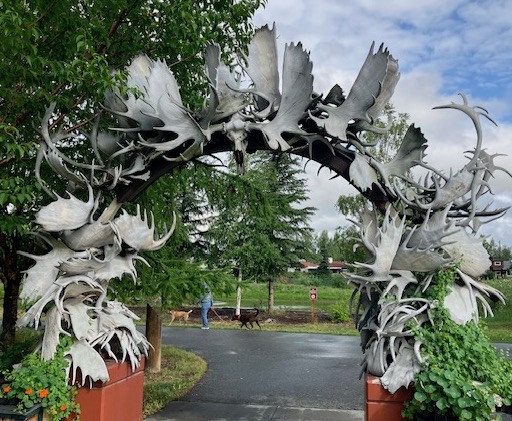
Close by, we came across the Interior Alaska Antler Arch.

The antler arch (Photo Bill Pike)

The antlers were donated by hunters and collectors from around Alaska. Over 100 moose and caribou antlers were donated.

This display was woven together by Fairbanks artist, Sandy Jamieson. For Jamieson, the arch might also be called “an arch of stories.” As each set of antlers is attached to a person who experienced the wilderness of Alaska.


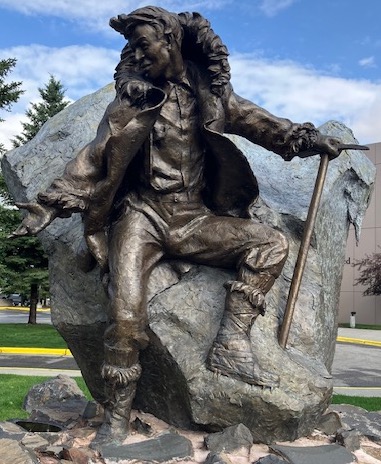
Next we came across a display about the 1913 Pioneer Ascent of Denali. The display clearly captured this historic event, but the focus is on one of the climbers—Walter Harper.

Next to the display is a marvelous statue capturing the essence of Harper on the climb and his outstretched “hand up.” Harper’s possessed the all-around skills for the climb, but he also possessed the essential human skills for his willingness to always extend his hand to help.

Walter Harper and his outstretched hand (Photo Bill Pike)

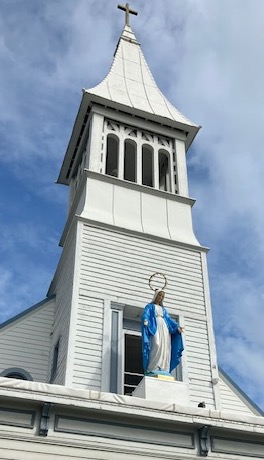
It is a short walk over to the Immaculate Conception Catholic Parish. Established in 1904, this is a pretty white framed building. The church overlooking the Chena River has quite a history. In 1976, the church was named to the Register of Historical sites.

The pretty church (Photo Bill Pike)

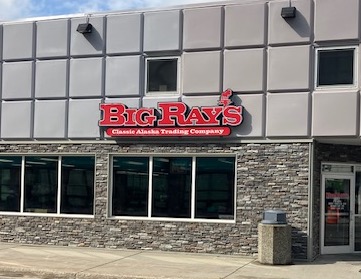
From there, we ambled into downtown Fairbanks. My favorite stop was at Big Ray’s Classic Alaska Trading Company.

A really nice store (Photo Bill Pike)


For lunch, we stopped at a local favorite, The Crepery. The food was good, and it matched the owner’s dream for the restaurant—“to serve good and quality food to the community.”

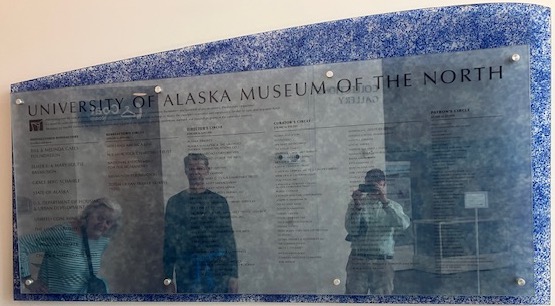
After lunch, Betsy, Dan, and I caught a ride to the University of Alaska Museum Of The North. If you are in Fairbanks, and you have the time, this museum is worth the stop.

(Photo Bill Pike)

From the museum’s website, please note “this is the only research and teaching museum in Alaska.” The museum is home to 2.5 million artifacts. These artifacts are broken down into ten disciplines of study. The museum also captures the northern culture and its history.

On this trip, we have learned how precious Alaska and its resources are. That’s why the museum serves as a valuable resource for research on climate change, genetics, contaminants, and other issues facing Alaska and the circumpolar North.

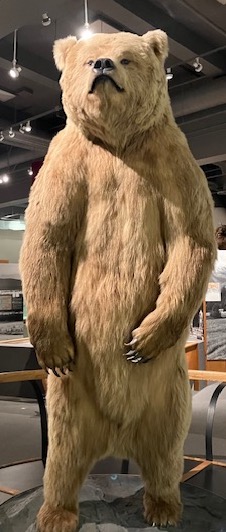
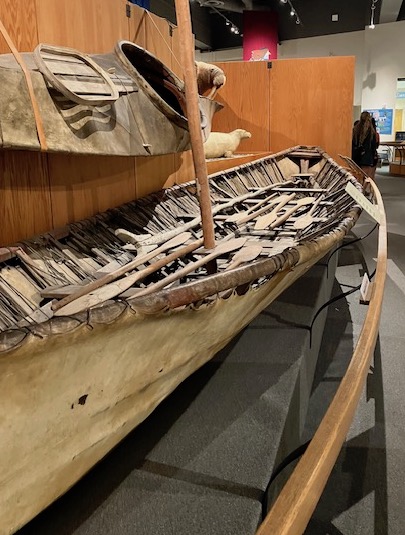
I enjoyed the exhibits about the Brown Bear, Pacific Halibut, Permafrost, and Alaskan Kayaks.

Kayaks (Photo Bill Pike)

At some point, we made our way back to the hotel. Once there, we turned our attention to making sure our luggage was ready for the ride out to the airport.

Checking in at the airport went smoothly. We figured out ordering our dinner, and then we waited for our boarding call.

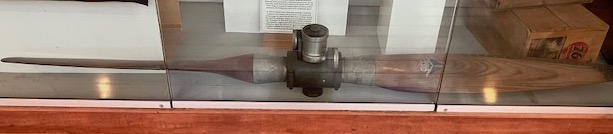
I roamed around the airport’s interior as much as I could. There are some nicely done photos in different places, and I even came across a historical display about aviation with an old wooden propeller.
A well-made propeller (Photo Bill Pike)

Shortly before 10 p.m., we started boarding the Delta B73-900ER for our flight to Minneapolis.

We had said our goodbyes to Dan and Judy as they were on a different flight back into Baltimore. The Pikes and the Sherrills were on this flight that would after the connection in Minneapolis would take us back to Raleigh.

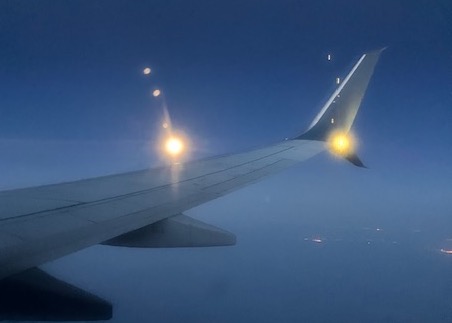
All I can tell you about the flight into Minneapolis is I don’t recall sleeping much. I watched the movie Oppenheimer. I recall looking out of my window several times, and I’m not sure that I ever saw total darkness.

A 1:30 a.m. wing view (Photo Bill Pike)

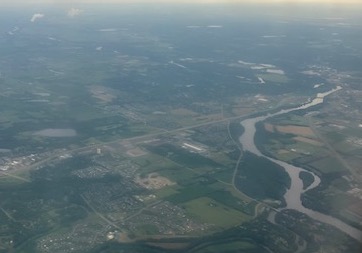
At 6:40 a.m. on the approach coming into the airport, I’m almost certain that we flew over the Mississippi River.

Approach into Minneapolis (Photo Bill Pike)

We landed, and I immediately went into beer search mode. That’s correct— beer search mode.

As it turns out, the beer gods were working in my favor related to time.

Unfortunately, in Fairbanks, our red-eye flight was delayed. A passenger became ill before we departed the runway. The pilot had to taxi the plane back to the terminal so the passenger could be assisted.
Then when we landed in Minneapolis, we learned that our flight back to Raleigh was delayed.

These delays gave me the extra time needed to track down an August Schell beer. Located in New Ulm, Minnesota, August Schell is one of the oldest breweries in America.

My pre-trip research led me to Scott Hislop, the Senior Distributor Sales Manager, for the August Schell Brewing Company.

Scott informed me that in Terminal One of this massive airport was an establishment named the Stone Arch. Stone Arch had an August Schell light beer on tap.

At some point, in the middle of a corridor, I look into the distance and I saw the words Stone Arch. Being sleep deprived, I hope this wasn’t a mirage.

Stone Arch employees were busy with breakfast customers. It took a few minutes for me to flag down one of their employees who handled beverages.


Finally, a nice young man paused as I flagged him down. His hurried steps came to a halt. I explained what I was trying to accomplish. He could not have been nicer.

First, he confirmed that Schell’s Light an American lager was on tap. Additionally, he showed me two sixteen ounce cans that were available, but I opted for the draft.

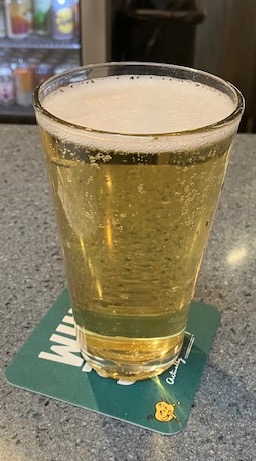
A couple of minutes later, he returned with a perfectly poured glass of Schell Light. This clear, pale lager, was full of carbonation bubbles and a thin head of foam.

My August Schell light beer (Photo Bill Pike)

While I’m not a fan of light beers, this one hit the spot at 7:20 a.m. on Friday, July 11.

I was reminded of the song “Roadhouse Blues” from the Doors’ album Morrison Hotel: “Well, I woke up this morning and I got myself a beer, the future’s uncertain and the end is always near.”

At my old age, I have never purposely abused my affection for beer. Out of respect for the beverage, I’ve worked to be doggedly rigid in my self-control when consuming beer, I’m basically—‘one and done.’

But, I will admit that for a long, long time lurking in the back of my mind were the lyrics from “Roadhouse Blues.”

So now, I can mark the drinking of an early morning beer off an unimportant bucket list.

Yet, there is a more important point, and that is Scott Hislop.

In our fast paced, impatient world, Scott took the time to respond to my original email. To me that is admirable.

After finishing my beer, we found our terminal and waited for the call to board our final flight into Raleigh.

At 8:06 a.m., we were on a Delta A320(OW) bound for Raleigh.

I think I dozed a bit on this flight.

Soon, we were on the ground in Raleigh.

We said our goodbyes to Butch and Marian. One of their daughters was picking them up from Greensboro.

Our future son-in-law picked us up.

He navigated exiting the airport. It wasn’t long before we were back at the condo where our car had been resting for the last fifteen days.

We took a few minutes to regroup at the condo with our daughter and her fiancé. Then we transferred to luggage into our car, said goodbye, and started our ride home to Richmond.


When I was growing up in North Carolina, I don’t recall dreaming about traveling. This trip from Vancouver into Alaska was one that will stay with me for a long, long time.

In Vancouver, Lynn Canyon Park was my favorite. And in Alaska, the color of the ice in the glaciers will never leave me. It is stunning.

I am so lucky to be able to travel with my wife and our dear friends.

Vancouver and Alaska offered us so much. Each place is precious and priceless with their uniqueness. I can only begin to imagine what the first settlers felt like as the embraced the wonder of these environments.

In closing, I simply say to you—if you have the opportunity— go.

You will not regret making the trip.

This little fellow agrees, you will not regret making the trip (Photo Bill Pike)

Denali to Fairbanks

On the morning of Wednesday, July 9, 2025, we picked up a breakfast snack, rechecked our rooms again, and loaded on to the bus.

The drive to Fairbanks was in the two and half hour range. However, this could be extended as there was a wildfire along one section of the highway that had been a nuisance.

According to our bus driver, it was possible that our traffic flow could be disrupted. Firefighting officials might shutdown the highway with a one lane traffic feed that alternated travel in either direction.

As we approached this stretch of the highway, we knew instantly when we were within range of the fire. That familiar campfire aroma seeped into the interior of the bus. Soon we came upon charred forest with occasional plumes of lingering smoke.

We passed staging areas for the fire crews. We could see where bulldozers had plowed access roads and fire breaks. One fire truck was parked on the shoulder of the highway with its firehose stretched into the wilderness.

At some point, my old bladder needed a restroom break.

I was warned by the people sitting in the back of the bus near the restroom that the door didn’t latch properly.

Needless to say, this potty break was going to be an experience.

Securing the door, trying to keep my balance, and my aim on the target was challenging. Thankfully, the potty gods were kind to me—no errors with the door or hitting the target occurred.

In hindsight, I simply should have sat down on the toilet.

Despite a slight delay from the fire, we were ahead of schedule arriving into Fairbanks.

This meant the Holland America personnel had to do some quick thinking. So, we made an unscheduled stop at the visitors center.

The Morris Thompson Cultural Visitors Center isn’t your typical visitors center. Yes, employees can provide helpful information to travelers, but there is a nice store, an information center for national and state parks, a theater, and lots of cultural and historical displays about Fairbanks and the surrounding area.

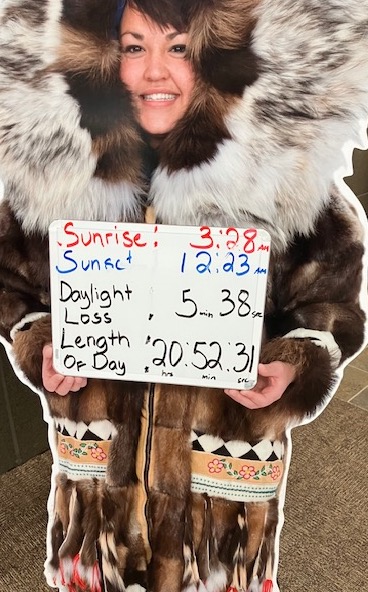
We were greeted with this information at the visitors center (Photo Betsy Pike)

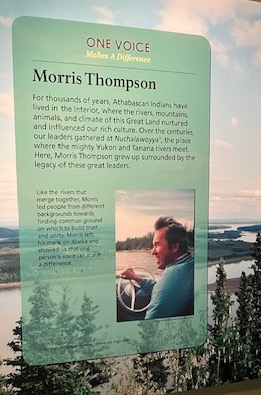
Morris Thompson was a prominent leader in Alaska.

From one of the center’s displays (Photo Bill Pike)

His work focused on matters related to Alaskan Natives. A businessman and a political appointee, Mr. Thompson was best known for his leadership and work at the Bureau of Indian Affairs. Sadly, Mr. Morris, his wife, and daughter were killed in the crash of Alaskan Airline Flight 261. (Multiple Sources)

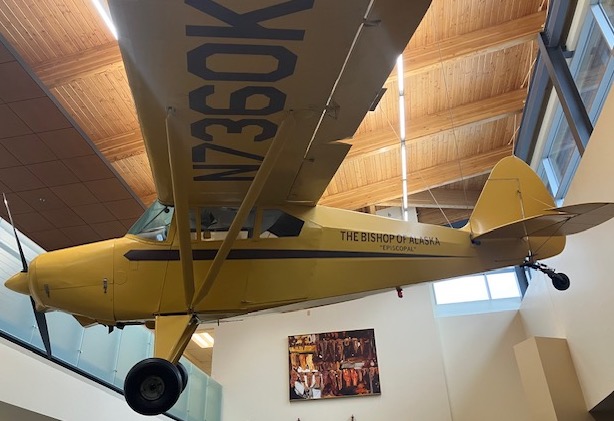
Another fixture in the community was Episcopal Bishop William J. Gordon, Jr. Bishop Gordon at the very young age of 29 was elected as the Third Episcopal Bishop of Alaska.

In 1948 with his family in tow, he settled in Fairbanks. Realizing that riverboat travel limited his summer access to visiting clergy and their churches, Bishop Gordon learned to fly. A replica of the Piper PA-22 that he flew is on display at the museum.

Replica of the Bishop’s plane (Photo Bill Pike)

That’s one thing we learned about Alaska was how useful airplanes were in remote areas.

From the visitor’s center, we re-boarded the bus with our destination to Riverboat Discovery.

Once on site, we were directed to a large dining facility, where we enjoyed a family style lunch.

After lunch, we boarded the riverboat for a tour along the Chena River. Our guide was full of local information about the river, Fairbanks, and the entire surrounding area.

Despite seeing the devastation from the wildfire, I was amazed at how lush and green the landscape was along the banks of the river.

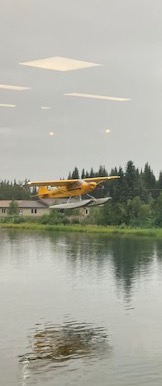
One of the highlights of the cruise for me, and probably for our friend, Dan, was the interaction with a bush pilot who landed his float plane on the river. The Captain of the riverboat and the pilot of the plane shared a lively conversation broadcast to the passengers.

Our special float plane guest (Photo Bill Pike)

Interestingly, our Dan, who also has his private pilot’s license had booked a training flight on a float plane. Turns out that Dan’s training flight was going to be in the same plane with the same pilot who was a part of the riverboat tour. In fact on Thursday, Dan landed with the pilot on the river with the riverboat’s first cruise of the morning.

After the plane, we learned about Trail Breaker Kennel and everything related to sled dogs and four time Iditarod champion, Susan Butcher. This facility is located along the river.

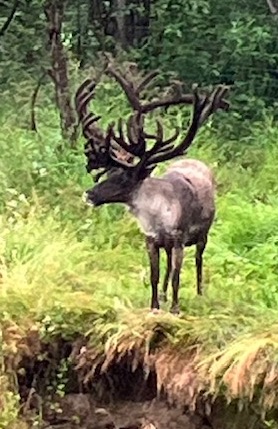
Another treat was seeing caribou on the shoreline.

A curious caribou checking out the riverboat (Photo Betsy Pike)

Before heading back to the dock, we had one last stop at Chena Village to learn more about the early lives of the Athabascan people.

Back at the dock, we unloaded for one last swoop through the shops at the center.

From there, we took the bus back into Fairbanks to our hotel for the evening.

In closing out this day, I’m drawn to the size of Alaska—it is massive. I’m privileged to see this snapshot in places where tourist typically tread.

Yet, I imagine there are many precious places throughout Alaska where tourist rarely venture. I hope those spaces can be quietly preserved, and that includes the stunning state and national parks that are currently protected. We can never let go of this cherished land.

Tomorrow, we would hustle to explore Fairbanks.

And then late on Thursday, we would be heading back home.

Denali

Probably a miracle, but every member of our group was on the Denali bus at 5:30 a.m.

(Photo Bill Pike)

Our driver gave us lots of information about park rules and regulations including how we were to handle ourselves on the bus.

The driver/guide was in constant chatter. This was mostly scripted, but with occasional personal comments.

Our bus (Photo Bill Pike)

The bus was equipped with a camera that allowed the driver to zoom in on wildlife sightings. Flip down monitors were scattered throughout the bus.

These monitors allowed riders to see the wildlife that had been alertly spotted by a fellow passenger.

If a passenger shouted out animal, the bus came to a halt.

The passenger who made the sighting then described what he/she spotted and every eyeball on the bus focused on that speck of white. In this case it was a Dall sheep.

Binoculars and cameras with expensive lens were used to increase the chances of finding a moose having his antlers manicured at a Denali spa.

In truth, the bus’s exterior camera was excellent in picking a few of the finds made by passengers.

For me, the sightings of wildlife both real and doubtful became tiresome. Alaska has done a good job of marketing the state’s wildlife.

The well maintained road gave us clear views. (Photo Bill Pike)

However, the wildlife are coy about when and if they will make an appearance. One source I spoke with on the condition of anonymity stated that the wildlife aren’t pleased with their current contract.

Our five hour tour tallied no moose, one possible sighting of a bear—maybe a brown boulder, red squirrels, a hare, the state bird— the willow ptarmigan.

While on this tour, we received water, a box of snacks, and a nice booklet with excellent photos about Alaska.

Again, the scarcity of wildlife sightings drew me more to the landscape. During our drive—permafrost, mountains, vast meadows, isolated ponds, a river, and rugged rock formations were all around us.

One of those clear views (Photo Bill Pike)

The Denali Park road crosses the Teklanika River. According to several sources, the Teklanika is a 91 mile long tributary of the Nenana River. Additionally, this section of the park features a popular campground with 53 sites for camping. The National Park Service manages the campground.

Teklanika River (Photo Bill Pike)

As far as the famous peak, Denali, the mountain was as bashful as the wildlife. Lots of clouds kept us from seeing Denali. Once again, a source I spoke with on the condition of anonymity stated that there is a tension between the cloud cover union representatives and the advisors representing the peak.

No matter the direction, the landscape was special. (Photo Bill Pike)

Overall, it was a good ride. However, I wonder if the five hours could have been compacted.

Our competent driver and guide deposited us safely back at the lobby. We took a break in our rooms, and then regrouped for lunch. Somehow, that ride had made us hungry.

After lunch, we check out a few shops.

My two wise friends (Photo Betsy Pike)

Then Betsy, Dan, and I took the free shuttle to the Horseshoe Lake Trail. It was here that we were rewarded—we saw a moose, a female moose, grazing in the shallows of the lake.

Our first moose sighting (Photo Betsy Pike)

Luckily for us this moose, seemed to sense that she was a photo op for tourists. She stayed around munching for longer than tourists anxious for a real moose sighting deserved. Again, the trail and all that surrounded it are quite pretty including several beaver dams along the way.

Beaver dam (Photo Bill Pike)

From there, we caught the shuttle back to the Denali Visitors Center. This was a good spot for all information related to Denali. The place was packed.

Just as our shuttle was leaving to take us back to the hotel, our alert driver spotted a moose casually munching on some weeds around one of the parking lots.

Our second moose (Photo Bill Pike)

Back at the hotel, we made a reservation for dinner and headed back to our rooms.

The Commander had picked up an annoying head cold. We weren’t surprised at this intrusion. No matter if we were on the ship, train, or bus we heard an assortment of coughs and sneezes.

In preparing for dinner, I was hoping to take a hot shower. Instead, I took a shower with a lousy temperature. At some point, Holland America must make some upgrades to this facility. It is starting to look a little weary.


After dinner, we took two walks. First, a river walk behind the hotel that took in a variety of landscape plantings and the rapids of the river rushing by in the background. On two occasions, we saw rafters rolling by quickly.

River behind the hotel (Photo Bill Pike)

Our second walk, took us across the highway, and we walked the boardwalk of restaurants and shops that wanted our wallets. We obliged by purchasing some ice cream.

On the walk back across the highway, we figured out our departure plans for Wednesday morning.

We had to roll out early on Wednesday, but not at 5:30.

I’ve enjoyed this stop in Denali.

While it is true that the viewing of wildlife wasn’t as grand as advertised, and despite never having a clear view of the famous peak, Denali, I would not trade this stop for anything else.

I’m sorry to be redundant, but the beauty of the land and the water makes up the difference.

Clearly, the good Lord’s angels were at their best when this precious land was carved out.

From the Horseshoe Lake Trail (Photo Bill Pike)

Anchorage to Denali

On Sunday evening, we made sure that we had properly tagged our bags for their 6:00 a.m. pickup on Monday.

Today, we travel by train on the McKinley Explorer for a little over seven hours to Denali. Once we are settled into our lodging in Denali, the Commander and I are scheduled to go out on a guided hike.

The train ride to Denali National Park was at times indescribable. Sure the occasional sightings of wildlife added to the journey, but in truth for me the best part of the train ride was the scenery.

One of the early water views from the train (Photo Bill Pike)

I could have taken a million photos. No matter where my eyes took me, no matter the terrain, didn’t matter if it included water views, mountains, vegetation— what I saw was stunning.

Rich forest along the way (Photo Bill Pike)

Added to that was the high quality of the train’s personnel who gave us local knowledge about where we were and what we were seeing.

A pretty view from the back of the train (Photo Bill Pike)

This quality of personnel also included the waitstaff, and yes, the kitchen staff. They were exceptionally gifted in providing hospitality. I wonder how the human resources department for Holland American finds these good people?

Our lunch in the dining car was an unexpected surprise. Quite simply, the food was delicious. The triple berry tart for dessert tempted me to have one every hour for the remainder of our trip.

Gradually, the train chugged into the Denali depot. There a bus picked us up and drove us to our lodging for the night. The Denali Lodge was owned and managed by Holland America.

As soon as we departed the bus and walked in the lobby, there was a massive power failure. Not what management or guests wanted or needed.

We found our rooms. Our luggage had already arrived. There was a bit of clumsiness with the power out, but we figured it out.

With our rooms secured, we regrouped at the bar.

Even with the chaos of the power outage, the staff kept their cool. Our waitress told us we would need to pay for drinks in cash, and that cold sandwiches were being provided for free. We ordered our drinks, and in a few minutes our sandwiches arrived.

My pals (Photo taken by our waitress)

Betsy and I had to be back in the lobby by 6:30 p.m. for our guided tour. We made it back without any trouble.

Eight people had signed up for the tour of the Oxbow Trail. Only six of us were present for the tour.

It was a cool, rainy evening, but the personality of our guide and his expertise made up for the conditions. Any reluctance we had to attend because of the weather conditions was quickly removed.

We learned so much about Denali and the trail we were walking.

Pretty flowers at the Visitor Center along the Oxbow Trail (Photo Bill Pike)

Our guide informed us about the twenty seven species of mosquitos that grace this part of Alaska. He also shared insights about the red squirrel’s habits, winter moose scat, the native trees, wildflowers, and the pretty north flowing Nenana River.

The Nenana River (Photo Bill Pike)

With regard to the power failure at The Denali Lodge, our guide told us that repairs can take time in this remote environment.

Often, linemen from the power company must travel two hours from Fairbanks to Denali. Despite this information, he was hopeful that luck might be on our side.

Our ride back to the Denali Lodge was pleasant as the Oxbow Trail had been a treat. I would recommend this 1.5 mile loop to anyone. Our guide gave us an insightful orientation to Denali.

Maybe, the travel gods were looking out for us. At some point after, 10:30 p.m. the power returned.

We had to be up early on Tuesday morning. We were all scheduled to take a five hour guided tour inside the Denali park. The tour started at 5:30 a.m. Our ride for the tour was to be a school bus.

Nothing like a train ride through stunning landscapes (Photo Bill Pike)

Whittier to Anchorage

I was thankful for the deep sleep that kept me from feeling or hearing the ship’s silent docking in Whittier.

Dock area in Whittier (Photo Bill Pike)

This morning, we worked our way to the busy Lido dining room. I think everyone had the same idea—grab breakfast, woof it down, and hustle back to recheck our room.

Took a few minutes, but we found a table. Worked our way through the assorted food stations, and made our breakfast choices. Back at the table, Butch and Marian found us, and we had breakfast with them.

As we ate, we compared our prep notes for leaving the ship, or as the cruise director from Holland America likes to say—disembarkation.


After breakfast, we quickly worked our way back to the room. There we made a final check to ensure we were not leaving anything behind. This included rechecking our backpacks to make sure that everything we needed for today was scrunched into place.

When our letter of the alphabet was called, we worked our way down to the gangplank for departure. A few raindrops were sprinkling down. Most of the short walk to where our train was waiting was covered.

Once aboard the train, we received an orientation about what to expect during the two hour and thirty minute ride. The train had large windows and a clear glass roof.

Looking out the train’s windows (Photo Bill Pike)

All along the route, employees described where we were and what we were viewing. Early on, we saw two moose grazing. Narrow waterfalls appeared in some spots.

The ride became interesting when the train arrived at the Anton Anderson Memorial Tunnel.

According to the City of Whittier, this tunnel is 2.5 miles in length making it the longest highway tunnel in America.

The tunnel has some additional unique qualities—the tunnel is one way. It is used by cars and trains. The road bed is designed to allow cars to ride over the train tracks.

Two more distinctions for the tunnel, it is designed to withstand minus 40 degree Fahrenheit temperatures and 150 mph winds. 

This single lane traffic with an alternating schedule saved taxpayers millions by not having to construct a second tunnel.

As the train continues to push toward Anchorage, we can see Cook Inlet. Train personnel tell us about the dangerous mudflats at low tide.

A section of Cook Inlet (Photo Bill Pike)

Sadly, people have lost their lives in the mudflats. The mud is like a quicksand. That mud will not let a person go. When the cold water tide returns, you know what happens.

We make it to Anchorage. A shuttle bus takes us into the city. A section of the civic center is used as a staging area by Holland America.

We experience a bit of disorganization, but everything works out. We were able to deposit our backpacks in a secure area and from there we walked to the 49th Brewery.

My well-made beer (Photo Bill Pike)

This is a huge facility with a large crowd already in place for lunch. It took us a while to be seated. The Commander and I were crunched for time as we had a 2 p.m. trolley tour of Anchorage booked.

When our lunch arrived, we ate quickly. With a faster pace, we walked toward the meeting point for the tour. Remarkably, we arrived on time.

The tour was good. We saw a lot. A knowledgeable tour guide provided good local stories about fishing for salmon, the devastation and tragedies from the 1964 earthquake, seaplanes, and an assortment of facts about moose and bears.

Hopeful fishermen (Photo Bill Pike)

After the tour, I returned to take a photo of the Anchorage Log Cabin Visitor Information Center. The cabin has a sod roof and is surrounded by stunning flowers.

(Photo Bill Pike)

Additionally, I took a photo of a blue bear statue. Apparently, numerous bear statues are located around Anchorage.

(Photo Bill Pike)

We walked back to the civic center, grabbed our backpacks, and made the short walk to check into the Captain Cook Hotel.

Took the elevator up to our room, oriented and organized ourselves, and reconnected with our pals.

With our friends, we worked to find a restaurant for dinner. There were multiple restaurants close to the hotel, but cruise shippers like us were already in lines waiting to be seated. Eventually, we found a nice place and settled in for our meal.

After dinner, our group made plans for breakfast and our early morning train departure to Denali.

From our hotel room window, we had a nice view overlooking a section of Anchorage. However, I will confess, I miss my nightly view from the porch outside our room on the cruise ship.

Tonight, there will be no watching the ripple of the water from the movement of the ship, no snow capped mountains beyond the shoreline, and no sinking orange light as a setting sun slips behind charcoal clouds.