San Francisco Day Seven: The Seventeen Mile Drive and Point Lobos State Park

I was up early on the morning of Tuesday, May 13. My old body told me I needed to go for a run.

I followed this internal self-talk. I ran from the hotel to Otter Point in Pacific Grove. This is a part of the Monterey Bay Coastal Trail.

The trail had been dampened by some pre-dawn rain showers. That didn’t slow me or the other walkers, joggers, and bike riders who too were up early.

No matter where my eyes scanned, I had pretty views of the neighborhood and the bay. This run is not likely to leave my memory. The setting is too special. If I had the endurance and the time, I could have stayed on this trail all day. But another trail was calling me.

After breakfast, the Commander had us scheduled to start our exploration of the Seventeen Mile Drive. As much as I had liked the views from my run, the views for the remainder of the day would only become more incredible.

Much has been written about The Seventeen Mile Drive, I doubt I can add much to these praises. Let’s leave like this, if you are given the opportunity to make the drive, don’t turn it down.

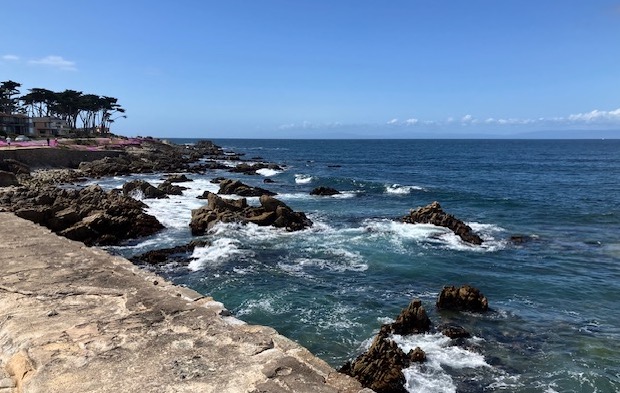
I did not focus on the opulence of the homes or the famous golf courses. No, I focused on the determination of the Pacific Ocean, and the rugged coastline the ocean rolls into every minute of the day and night.

The Restless Sea (Photo Bill Pike)

Marker 4 on the drive is titled The Restless Sea, and here is the commentary about this section: “The Restless Sea earns its name as one of the most turbulent sections of coastline in Pebble Beach. Waves are constantly converging and crashing into each other, likely caused by submerged rocks.”

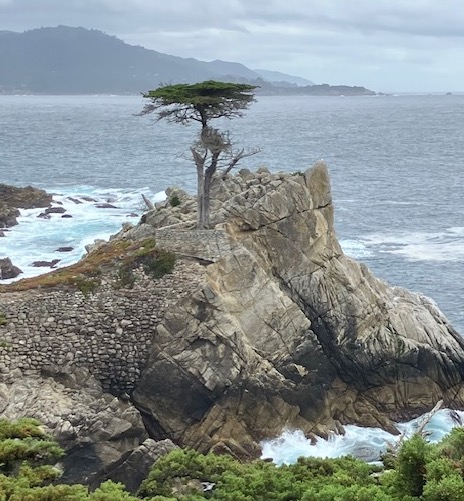
Each marker has a story to tell and a point to make. Perhaps the most famous is The Lone Cypress.

According to one marker, the Monterey cypress almost became extinct along the coast. Fortunately, it didn’t as the trees grow naturally here. The popular trees can reach heights up to seventy feet and can live up to three hundred years.

Yes, there is something special about The Lone Cypress. I admire its loyalty. No matter what nature has tossed at the tree, the cypress has remained loyal to its solitary perch.

The Lone Cypress (Photo Betsy Pike)

We made a short stop at the Pebble Beach Visitor Center. Next, we started working our way further south toward Point Lobos State Natural Reserve.

I’ll put this in the same category as The Seventeen Mile Drive—if you have the opportunity to visit Point Lobos, don’t turn the invitation down. Yes, you will walk more at Point Lobos, but those steps will reveal to you spectacular coastal scenery.

When we arrived at Point Lobos, the parking lot was full and closed. This meant we had to park along the shoulder of the highway that parallels the park.

We walked back to the entrance, took some advice from park personnel, and started our exploration. In truth, what happened was we were so enthralled by the beauty that we kept pushing ourselves further and further into the available trails.

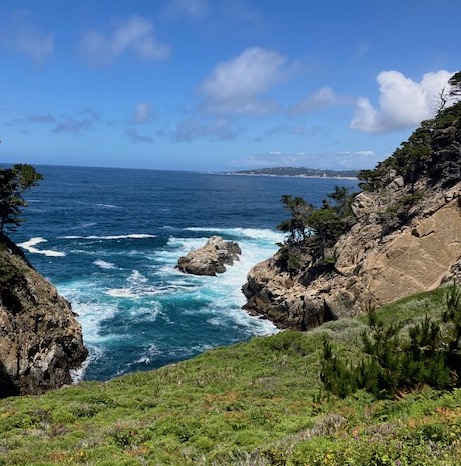
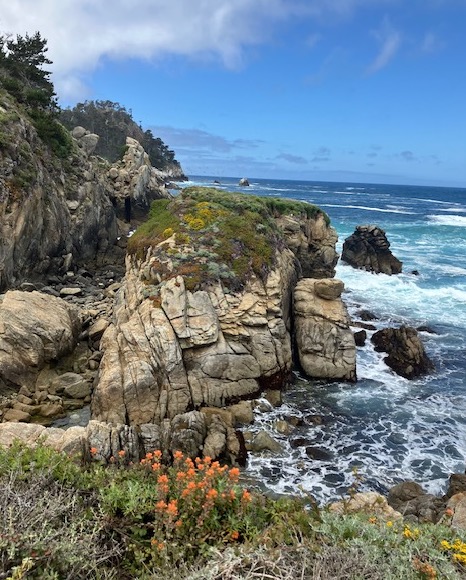
One of many pretty sights at Point Lobos (Photo Bill Pike)

Eventually, we worked our way to a stopping point and the walk back to our car, but neither of us regrets taking the time to explore. What we saw was nature at her best.

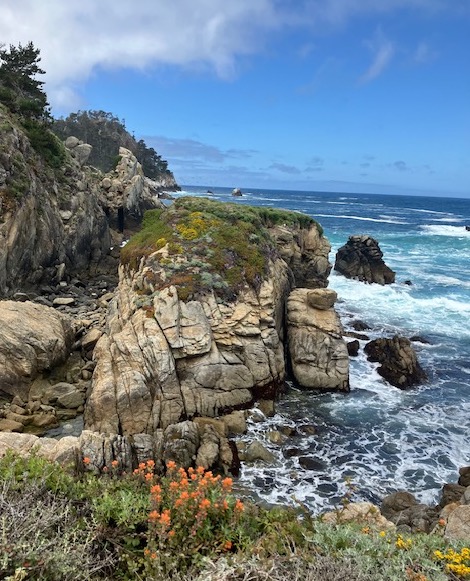
The ocean, the rocky shoreline, the wildflowers, an occasional appearance of wildlife, and the knowledge of park personnel added to the pleasure of the hike. Neither of us will forget this visit.

Point Lobos: rocks, surf, flowers (Photo Bill Pike)

Back out on the highway, we made a stop in the parking lot of Monastery Beach and enjoyed our Pebble Beach sandwich in the car.

From there we drove back into Carmel By Sea for more exploring. The focus here was to locate some of the Storybook Houses.

Unfortunately, our interpretation of local maps was being challenged. Luckily, a patient, local resident sensed this, and he redirected our steps guiding us to our first Storybook House.

Carmel By The Sea Storybook House (Photo Betsy Pike)

We strolled through the shopping district and made our way down to see the famous beach. Even though it was May, a few beach worshippers were present on this pleasant sunny afternoon. In a few weeks, I imagine this beach will be packed.

Our walk back to the car revealed more about the character of the town.

A plaque on a fence featured these words in bold print: LIV DE LIFE with this Emerson quote behind it: “The ornament of a house is the friends who frequent it.”

Another creative sign featured precisely cut letters from assorted license plates to form this colorful expression: Happy Go Lucky.

Colorful sign (Photo Bill Pike)

From Carmel By The Sea, we re-entered The Seventeen Mile Drive from the land side. We worked our way to The Inn at Spanish Bay.

The Commander navigated us to a sunlit, stone patio where she ordered a glass of wine and I had glass of beer.

(Photo Betsy Pike)

We sat in comfort admiring the view.

Gradually, we inched our way back to the hotel.

After a respite, we walked back down to Cannery Row, and had dinner with a view of Monterey Bay at Louie Linguini.

Tonight, this trip was coming to an end.

Early tomorrow morning, we would say goodbye to this stunning California coastline and drive back to the San Francisco airport.

Thankfully, we survived the drive to the airport and the drop off of the rental car.

Inside our gate area, I stumbled upon a church friend, Susan King, who had been in San Francisco visiting a friend. Later she would get a good laugh watching me stuffing an over stuffed suitcase into an overhead bin.

Before we took off, the Captain of the plane for Breeze Airways gave what was maybe the best welcome aboard and here’s what to expect speech I’ve ever heard from a pilot.

Remnants of thundershowers were around the Richmond area as we descended into the landing pattern, but our landing was smooth.

We grabbed our bags and worked our way to the shuttle van to return us to our parked car.

The only downer of our trip unfolded between the driver of the van and an airline employee who admitted she had a lousy day.

These two individuals grumbled over where the airline employee wanted to be dropped off. The tenseness between them was disappointing.

This tiny confrontation brought me back to reality. That magnificent California coastline was far away on the other side of America.

I wonder if the personalities of the van driver and the airline employee could have been soothed by a single pretty California vista?

That’s hard to know, but I know that my old brain and soul will forever cherish what California shared with me and the Commander, the best trip planner in the world.

It might be hard to see it at times, and often we do our best to destroy it, but we still live in a beautiful world.

For that I am grateful, and I must constantly remind myself to do my part to take care of this world.

Another pretty vista from Point Lobos (Photo Bill Pike)

San Francisco Day Six: Monterey Bay Aquarium

After a good night of sleep, we were refreshed.

We wasted no time after breakfast to start our morning.

Our walk to the Monterey Bay Aquarium took us by an assortment of homes, shops, and other businesses.

Making a visit to this unique aquarium had been a goal for a long time. This is a special place. A place where imagination and ingenuity have created an environment for capturing the stories about the Pacific Ocean and its impact on these California coastal communities. And at the heart of those stories are people.

Immediately, the displays draw visitors to people.

The ‘generosity and vision’ of David and Lucile Packard sparked the development of the aquarium. Mr. Packard once said that “the ocean is the most important frontier we have.” Clearly, the aquarium gives life to his words.

Through his fiction and nonfiction writing, American author, John Steinbeck, brought to life Monterey and Cannery Row. Steinbeck wrote about the people who breathed life into economy of harvesting the bounty of the sea.

Another important person was Ed Ricketts, who is described as “an ecologist before his time.” Mr. Ricketts helped people to learn about and understand the relationships of the Pacific’s sea life and its links to the region. His early studies helped to lay the foundation for future research. Also, Mr. Ricketts was the fictional character ‘Doc’ in Steinbeck’s Cannery Row and Sweet Thursday.

Without question, visitors learn about Cannery Row. The impact of harvesting fish and bringing the catch to the cannery for processing is told from the perspective of the workers.

Here is a quote that describes what it was like: “We used to dread getting up in the morning because we worked so hard. It was cold and wet with water running under your feet the whole time—Can you imagine squeezing the guts out of fish at three or four in morning?”

Early in our visit, we learned about sea kelp and its impact on the life of this region of the Pacific.

Critical sea kelp for these California coastal waters (Photo Bill Pike)

The entire aquarium is user friendly. Displays attract all age groups, but there is a special emphasis for children.

From the brilliance of the wave machine, the interior and exterior displays of sea life, the outside vistas, the friendly and knowledgeable docents, and the use of video to present information make the aquarium uniquely qualified to help us all learn.

Stunning jellyfish (Photo Betsy Pike)

This quote from Loren Eiseley caught my attention: “If there is magic on this planet, it is contained in water.”

From our first display until our last view from an outside vista, we felt the “magic of the water” at the Monterey Bay Aquarium.

An exterior view from the aquarium (Photo Betsy Pike)

After our visit to the aquarium, we regrouped at the hotel.

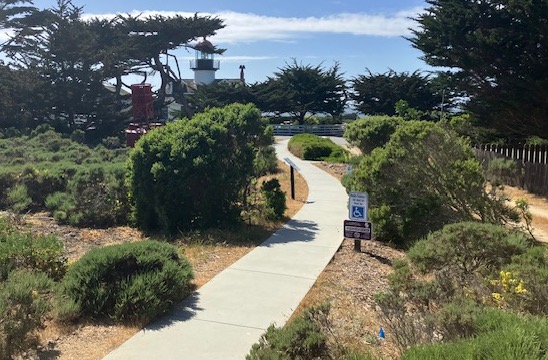
We continued to explore. Our goal was to visit the Point Pinos Lighthouse.

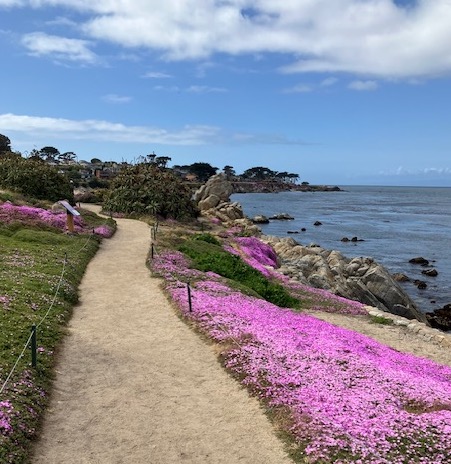
As we drove and walked along, the blue sky, beds of flowers, combined with a shoreline of scraggy rocks worn by a relentless Pacific, made for unforgettable postcard images.

Pretty path along the Pacific (Photo Bill Pike)

Occasionally, we came across a colony of at type of burrowing ground squirrel. Clearly looking for a handout from kindhearted tourists, these creatures did not rate highly with residents of Monterey.

Unfortunately, the lighthouse was closed. But again, the rocky shoreline, the hues of the ocean’s water, the crashing waves, the glide of pelicans, and the steady progress of fishing boats heading into port made for a remarkable afternoon.

In the background the Point Pinos Lighthouse (Photo Bill Pike)

We drove back to the hotel, then took a short walk to a local dive—Sly McFly for dinner.

On our after dinner walk back to the hotel, we purchased some chocolate.

Then, we made a decision to drive back out to Asilomar State Beach with the hope of seeing the sun recline into the Pacific.

We found a good spot for watching the sun sink, but partly cloudy conditions and a light rain shower limited seeing the sun.

A slowly sinking sun (Photo Bill Pike)

Our drive back to the hotel wove us through the pretty coastal town, Pacific Grove.

Another non-stop day with lots of steps had us ready for rest.

The Monterey Bay Aquarium still swirled in my mind.

I thought again about how this magnificent facility for teaching and learning came together.

And my old brain has this reoccurring question—why can we collectively come together to create such a facility, and yet, we appear to be unable or unwilling to truly solve our ongoing challenges related to homelessness, health care, mental health needs, and food instability across America?

I wonder if we will ever fully see that contrast and commit to solving it?

(Photo Bill Pike)

San Francisco Day Five: Point Reyes to Monterey

After breakfast, we quickly gathered our belongings and headed toward checking out.

In the parking lot, the Commander Supreme made her final checks, and our journey to the Point Reyes National Seashore started.

We traveled the back roads of California toward the visitor’s center. Wisps of low clouds, lots of twists and turns, rolling hills with pretty land, and massive redwoods greeted us. Occasionally, we encountered brave bicycle riders on these narrow roads that offered very few straight sections for easy peddling.

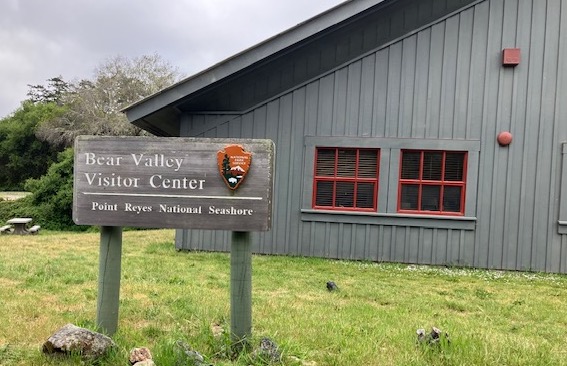
Upon our arrival at the Bear Valley Visitor Center in the Point Reyes National Seashore, we were greeted by a few quietly grazing deer in the rolling pastures around the building.

(Photo Bill Pike)

The visitor center has extremely helpful national park employees. No matter your questions, these knowledgeable and patient staff have the answers.

The center also has a nice layout of effective displays giving visitors a glimpse of what they might encounter during their visit.

From the visitor center, our goal was to visit the historical Point Reyes Lighthouse. The ride to the lighthouse was remarkable.

I’m sure I will repeat myself, but no matter where our eyes took us, we were greeted with striking scenery.

I didn’t expect to see beef and dairy cattle grazing on this magnificent land. But occasionally, we’d come across a weather battered farmhouse with barns and out buildings scattered around. I wondered about the loneliness that might brew in this isolated beauty.

Some of the pastures on the way to Point Reyes (Photo Bill Pike)

If you travel this road, you will come across the historic KPH Radio building. Set off the road, you will walk a straight path lined on both sides with magnificent Monterey cypress trees. This tree-lined walk toward the building will never leave your memory.

The walk toward the KPH building. (Photo Bill Pike)

It’s not long before we reach the parking area for the lighthouse.

According to the National Park Service, the Point Reyes Headlands ‘jut ten miles out to sea.’ This probe out into the Pacific Ocean creates a potential nautical challenge for ships venturing north of San Francisco.

In 1870, this lighthouse was constructed to serve as a warning to ship captains and their crews. In 1975, the United States Coast Guard put to rest the first light. A new automated light was installed adjacent to the original lighthouse.

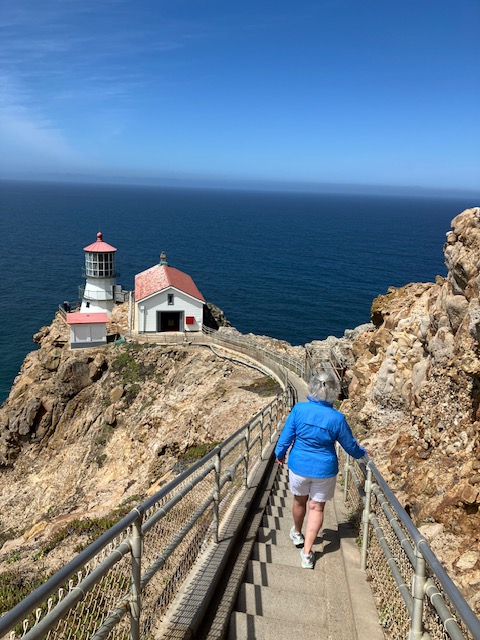
To truly encounter this magnificent lighthouse, visitors must descend 313 steps. This requires an alert patience in going down and coming back up, but the challenge of the walk is worth it. You will not want to stop taking pictures.

The walk down. (Photo Bill Pike)

Additionally, park rangers are on site to answer questions and guide you. It is worth a chat alone to hear about the extreme weather conditions that impact Point Reyes.

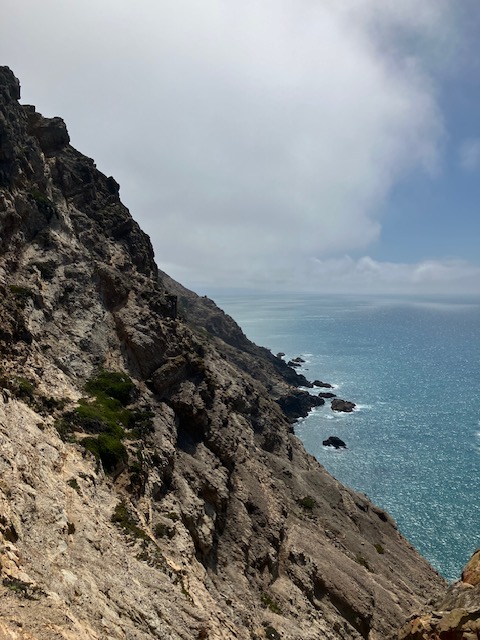
Fog to the south (Photo Bill Pike)

On the steps back to the parking lot, we paused a couple of times, caught our breath, and admired the view.

(Photo Bill Pike)

We regrouped in the parking lot, and from there we made stops at Chimney Rock, South Beach, and briefly explored a trail that were an ideal habitat for elk. And in each of those treks, wildflowers greeted us.

From a trail looking toward the Pacific. (Photo Bill Pike)

Again, I reminded myself of the people who had the vision and the will to preserve this priceless national park.

Land worth preserving. (Photo Bill Pike)

As we worked our way out of the national park, we stopped at the Tavern X Market for a sandwich. After lunch, I noticed the sign ‘Happy Trails’ hanging over the parking lot exit. Hopefully, the traffic gods would grant us ‘happy trails’ during the remainder of our afternoon driving toward Monterey.

Now following an interstate route, we skirted past Oakland. From a distance, we could see its attempts to re-invent itself, though graffiti was still a dominant nuisance in some stretches.

Occasionally, the traffic snarled with slow downs, but we kept moving.

The closer to Monterey, the more frequently we began to see the impact of farming on the outskirts of the Salinas Valley. But when we left the interstate, the farming communities really came into focus. Sure there was equipment, but I was more drawn to the richness of soil.

That soil reminded me of deep shades of chocolate and roasted coffee beans contrasted with healthy rows of green. Those fields were a tribute to the artistry of the farmers and their farmhands who year after year grow our nutrition.

Approaching the city limits of Monterey, the waters of the Pacific changed the backdrop.

It was Sunday afternoon, Mother’s Day, Monterey was still restless.

Our hotel on a side street in the city came into view.

We checked in.

Friendly staff at the front desk, guided our footsteps toward the Alvarado Street Brewery for dinner.

The walk back in the cool coastal air prepped us for our collapse and sleep.

Thanks California

The Carmel Pine Cone
Volume III No. 24 https://carmelpinecone.com June 13-19, 2025

TRUSTED BY LOCALS AND LOVED BY VISITORS SINCE 1915

Memorable trip
Dear Editor,

In early May, my wife and I had the privilege of exploring California from Point Reyes to Point Lobos. No matter where our plans took us, we enjoyed our journey.

The enjoyment of our visit was grounded in the vision and will of Californians to preserve such precious land.

No matter the vistas in the seaside parklands or along the 17 Mile Drive, we cherished the restless Pacific, its stone masonry on the shoreline, and the pretty blooming flowers along many trails.

Our lives have been enriched by graceful redwoods, the backstories found in Alcatraz and Angel islands, the coffee-colored soil in farmland near Watsonville, and the magnificent Monterey Bay Aquarium.

Additionally, we were impressed by the patience and wisdom of employees in the state and national parks, appreciated the knowledgeable waitstaffs in every restaurant, and were thankful for an understanding man, a transplant from Austin, who sensed we were lost in locating the famous Fairytale Cottages in Carmel-By-The- Sea. This stranger might have saved our almost fifty years of marriage.

In Robinson Jeffers’ poem “The Beaks of Eagles,” he writes about the life of a mother eagle. The author notes: “The world has changed in her time,” and despite these challenging changes, the mother eagle continues to find the way to survive.

Like the mother eagle, it is my hope that California with stubborn persistence will repel any wacky Washington attempts to dismantle these priceless plots of unparalleled beauty.

Our aging hearts will hold this trip forever, thank you.

                                                               Bill Pike,
                                                       Richmond, Va.

Author’s note: Today, I was honored to have this letter to the editor published in the Carmel Pine Cone, a weekly newspaper in Carmel-By-The-Sea, California.

Coastline, Point Lobos, California (Photo Bill Pike)

Day Seven Marathon Key: Pigeon Key, Burdines, football

Another pretty day greeted me this morning.

I made the short trek to my hopeful fishing spot.

I fished with shrimp.

Per usual no nibbles.

But I did enjoy watching a wet blue heron land and shake his feathers.

A young father and his two sons stopped for a few minutes. Turns out this young man was a University of Richmond graduate. While its not an across the street walk, I told him we could walk to the university from our house in Richmond.

At the beach condo, breakfast was coming together as were our plans to visit Pigeon Key. We wanted to make sure our arrival allowed us to be on the first train to the key.

With our reservations confirmed, we were out the door around 9:30. It was a short drive to the staging area. We parked, made sure we had everything, checked in, and found seats on the train.

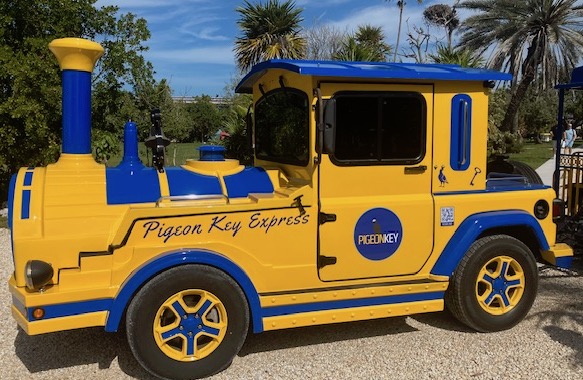
The engine that pulled us along the bridge (Photo Bill Pike)

Once everyone was seated, we received a brief orientation about our visit. There are multiple options for guests to chose from. We opted for a guided tour with time to explore the the five acre key with its eight buildings. This site is also on the National Register of Historic Places.

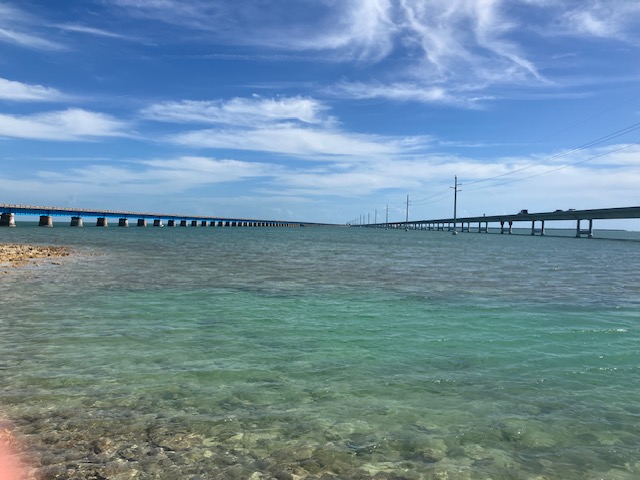
It is a two mile ride on the train to Pigeon Key. This was a $41 million project to repurpose and renovate the bridge for the public. This project had good results for walkers, runners, bike riders, and curious guest who want to learn more about Pigeon Key. Plus the views from the bridge in any direction are pretty.

Bridge spans from Pigeon Key (Photo Bill Pike)

Our guide had given us some good insights on the ride to Pigeon Key. Once off the train, our guide organized us, and she started her historic script.

Essentially, Pigeon Key is all about Henry Flagler and his efforts to build The Florida East Coast Railway. This determined, persuasive, and successful businessman had the vision and resources to pursue this goal.

Pigeon Key was the work camp for the men who hired on to build the railway. Our guide was very knowledgeable, maybe too knowledgeable. Her wealth of information cut into our self-guided exploration.


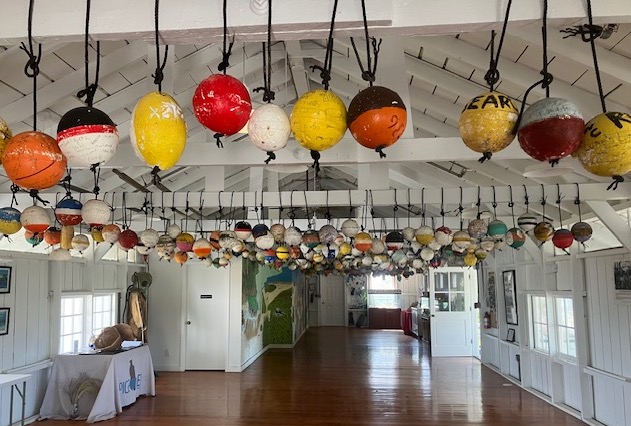
Still we enjoyed learning about the design of the original dormitory that is now used as an education center. It still showcases the use of Dade County pine throughout the facility.

Former dormitory, now an education center, note original hardwood flooring (Photo Bill Pike)

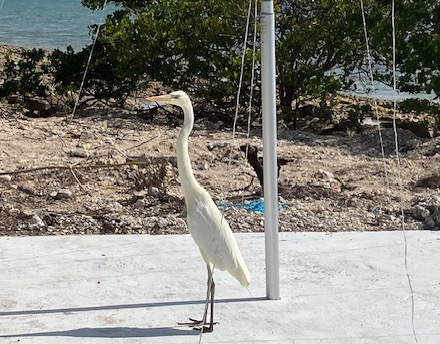
The buildings and grounds are well-maintained. Moving around the plot isn’t difficult. No matter where your feet take you the views are very pleasant, and we enjoyed the calm presence of two Great White Herons who are like family to the staff.

One of the herons. (Photo Bill Pike)

Our departure time came quickly, and once Pigeon Key personnel had accounted for everyone, we were ready for the two mile ride back to the mainland.

Judy opted not to go on the Pigeon Key excursion, so we drove back to Tranquility Bay and picked her up.

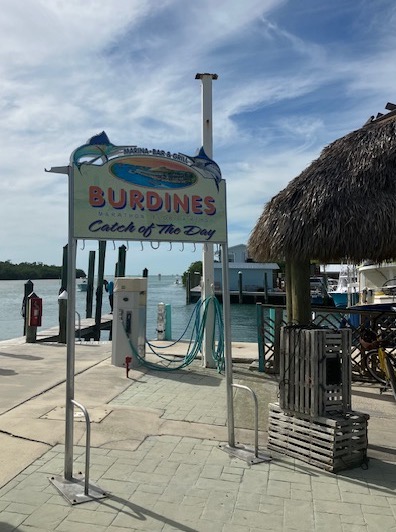
From there, we headed to Burdines for lunch. This restaurant had been recommended to Butch and Marian by a local shopkeeper. Earlier in the week, we attempted to eat at Burdines, but the unseasonably cool air and brisk wind pushed us away from this open air restaurant.

(Photo Bill Pike)

Today, we hoped to do better under a partly sunny sky. Initially, we were seated on the side of the restaurant where a brisk wind was coming off the water of Boot Key Harbor. Sensing this uncomfortable shaded coolness, Butch negotiated a seating location change for us with the hostess.

Off the main highway, Burdines is ideally located next to a marina. It serves diners who arrive by boat or car. There is nothing fancy about Burdines as is stated on their menu: “As we say in the islands, this ain’t no fast food joint, so relax mon!”

To get us started Betsy ordered hush puppies, and they were good. Burdines might not be a “fast food joint” but I was amazed at how quickly our food arrived. Our lunch orders filled us up, and none of us were interested in ordering a piece of fried Key Lime pie to go.

Back at Tranquility Bay, the abundant sunshine was an attraction to sit by the pool. At some point, Dan and I headed to the workout room to burn off Burdines. Football was on the agenda too, as it was NFL playoff time, and then we had to make decision about dinner.

I think Marian had a hankering for spaghetti. Butch, Dan, and I made a mad dash to Publix. Under Butch’s guidance, we picked up the items so that he could create a spaghetti dinner for us.

Upon our return, we all pitched in to help our master chef prepare his special sauce. The sauce was delicious and this pasta meal hit the spot. It would be the carbo load we needed for walking around Key West on Monday.

I was excited about our day trip to Key West, and I had also enjoyed our Sunday in Marathon Key.

Even though our tour guide put my brain on information overload, I heard enough from her about the ups and downs of Henry Flagler that I would like to learn more about him. Specifically, the back stories about the creation of the Florida East Coast Railway sound very interesting. I can only begin to imagine the economic, environmental, and logistical challenges of this project.

Maybe before I croak, I’ll get to Les Standiford’s book—
Last Train to Paradise: Henry Flagler and the Spectacular Rise and Fall of the Railroad That Crossed an Ocean.


Rest up Key West, we’re checking you out tomorrow.

Author’s note: My teachers: kindergarten (Mrs. Simmons at Davis Street Methodist) and first grade (Mrs. Hughes at Elon Elementary) would be disappointed in my math skills related to blog post. Obviously, seven comes before eight. So, I had day seven ready, but I forgot that post was completed. In the future, I’ll work to improve my counting skills. Thanks patient readers.

Day Five Marathon Key Friday, January 24, 2025: Crane Point Hammock

On Friday, January 24, 2025, more gray skies, cool temperatures, and a brisk wind greeted me.

This morning, I opted not to use a lure for fishing. Instead for bait, shrimp was my choice combined with a fish finder rig.

In the same spot, I cast in lots of directions. I let the rig land gently on the bottom. I waited patiently for a tug on the line. Despite having fresh bait, the fish were not interested in the shrimp.

I kept fishing until my line was cut. Not sure who did the cutting— maybe a quiet crab or a sharp rock, but the rig did not return to the surface. With that, I secured my line, and made the breezy walk back to the condo.

After breakfast today, we would take the short ride to Crane Point Hammock. Crane Point features a museum, nature trails, and two unique houses.

When we entered the museum, an employee gave us a general overview of the grounds and how to maneuver ourselves to the trails and the two homes on the property. This overview also included a short video orientation.

In the Keys, a hammock is a tropical woodland. Along the trails, we developed an appreciation for the unique hardwoods and native plants.

For example, the beautiful thatch palm only grows here, nowhere else in America. Additionally, the staff and volunteers have installed signage for identifying these distinctive species.

Thatch Palm (Photo Bill Pike)

Back in 1949, a couple from Massachusetts, Francis and Mary Crane purchased this land. The Cranes had a causeway built to Big Rachel Key. Lots of mosquitoes and thick underbrush did not stop them from building a beautiful home here. Today, the home is available for hosting all types of social events.

One of the views from the Crane house (Photo Bill Pike)

From the Crane’s house, we made the walk to the Adderly House. George and Olivia Adderly were from the Bahamas. In the late 1890s, they came to the Keys.

Eventually, they built their Bahamian style, tabby constructed home and lived here for many years. This house is the oldest in the Keys outside of Key West.

The Adderlys sustained themselves by harvesting sponges and making charcoal from the exotic tropical hardwoods found in the hammock. George used his sailboat for transportation to sell his goods in Key West.

After the passing of his wife in 1948, George sold the property to the Crane family in 1949.

We enjoyed exploring Crane Point. The paths/trails are well maintained and wide.

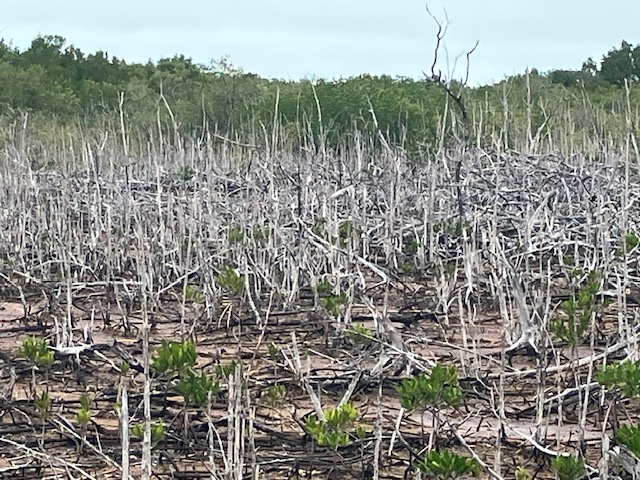
Additionally, there is the opportunity to trek off the main trails and to explore deeper into the hammock. Butch, Dan, and I did this. We came upon a section of the hammock that explained how the mangrove species adapt to the salty and soaked environment.

Battered mangroves (Photo Bill Pike)

From Crane Point Hammock, we made the short drive to Herbie’s Bar and Chowder House for lunch. This popular spot was packed, but the experienced staff was able to seat us. Herbie’s existence dates back to the 1940s. The restaurant was also featured on Guy Fieri’s Dinners, Drive-ins, and Dives.

From Herbie’s, we stopped at Savannah’s for ice cream.

After the ice cream, we drove to the Marathon Air Museum. This small museum has quite a bit of local aviation history. In truth, I think we made the day for the two docents when we came into the museum.

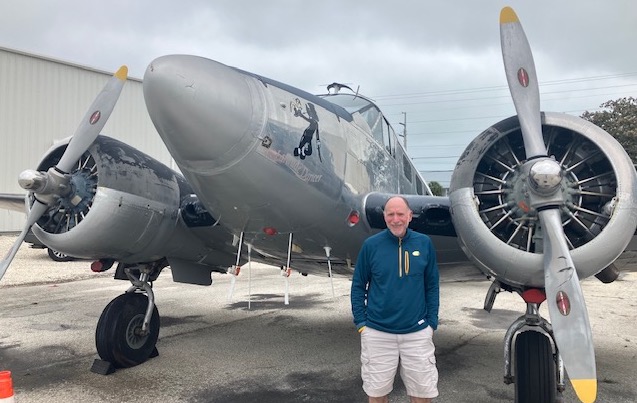
Both men were passionate about the airplanes and the artifacts. Most impressive was the docent who was in his nineties. This aviation enthusiast is still flying his priceless Piper Cub. Outside on the tarmac was a vintage twin engine passenger plane from World War II.

Look at those propellers! (Photo Dan Callow)

We thanked our docents, piled into the car, and drove back to Tranquility Bay.

At some point that afternoon, some of us took a walk toward Seven Mile Bridge.

That night after dinner, we watched the movie You Gotta Believe. This baseball themed film is about a little league baseball team and their coach who is battling cancer.

After the movie, we headed toward our rooms for rest. We were cautiously optimistic that on Saturday morning the sun would wake us up.

Today, we had another good day of exploring. I’m always curious about the passionate vision of an individual or group of individuals who can see and understand the importance of protecting a piece of land. Our exploring at Crane Point Hammock earlier today was an example of that vision.

By 1978, a group of concerned citizens had formed The Florida Keys Land and Sea Trust. This nonprofit focuses on the “preservation, conservation and the restoration of rare and endangered areas of the Florida Keys.”

In 1989, the Trust purchased Crane Point Hammock saving it from being developed into private homes and another shopping center.

I’m thankful for the passion and vision of the Florida Keys Land and Sea Trust.

And I “gotta believe” that the sun will greet us on Saturday morning.