Part I: Back To New Orleans

I know nothing about the planning for the June of 1958 road trip to New Orleans.

My father was a member of the Civitan Club. The Civitans were having a convention in that famous city.

Founded in 1917, the Civitans are an international organization “of volunteer service clubs, dedicated to helping people in their own communities.”

This convention was the reason for the road trip. By car, we traveled with another couple from Burlington, Melvin and Tula Wilson. The Wilsons were a delightful older couple who also were a part of the congregation of Davis Street Methodist Church where my parents attended.

As far as the road trip, I remember a stop somewhere on a beach along the Gulf of Mexico. I also recall a long ride over a bridge. I assume this was across Lake Pontchartrain.

Once in New Orleans, there was a bus tour of the city. The tour guide referenced a swimming pool we passed. He said it was filled with muddy water from the Mississippi River.

Another memory was a cafeteria that had fresh watermelon on the serving line.

My mother tracked down her father who deserted her mother and her siblings early in their Mississippi lives.

For some reason, we took the train back to North Carolina. I recall a kind porter who made me a ham sandwich. I think one of my father’s brothers picked us up at the train station in Greensboro and drove us home to Burlington.

And thanks to my parents, I was decked out as a five year old tourist.

What a sport (Photo courtesy of the Pike family)

Now 66 years later, on Wednesday, May 8, 2024, my wife and I are traveling back to New Orleans. This isn’t a road trip to a Civitan convention. No, my main purpose is to visit the National World War II Museum.

Luckily for me, I benefit from the detailed trip planning from my wife, the Commander Supreme. No one is better at trip planning.

We left Richmond on a Boeing 757-200(HD) with a stop in Atlanta. On this first leg, I continued my reading of Isabel Wilkerson’s book The Warmth of Other Suns. From Atlanta to Richmond, there was lots of cloud cover. I watched part of a documentary about Jimmy Carter.

As we approached New Orleans, the visibility improved, and I saw lots of brown water.

Once we landed, the driver of the jetway had a tough time connecting to the front exit door of the plane. Eventually, the mechanical gods cooperated. This was followed by the rush of passengers exiting the plane.

New Orleans has a very nice airport.

Through our son’s in-laws, we had a driver ready to pick us up. The driver drove us into the business district and dropped us at the Magnolia Hotel. This hotel gave us good access to the places we wanted to visit in the city. With the exception of a street car ride, we walked everywhere.

Our feet wasted no time in immersing us into the city.

In the French Quarter, we enjoyed lunch at Landry’s Seafood.

We walked into Jackson Square. We were immediately taken by the St. Louis Cathedral.

(Photo Bill Pike)

With its ties to the King of France, this stunning building dates back to 1720. Lots of adjectives have been used to recount the exterior and interior beauty of the building.

(Photo Bill Pike)

From Jackson Square, we were able to catch our first views of the mighty Mississippi River. With an assist from Mark Twain, the Mississippi might reveal the soul of America.

(Photo Bill Pike)

We made the predictable tourist stops at the Cafe Du Monde and Pat O’Brien’s. For some reason, the famous Hurricane drink reminded me of drinking Kool-Aid as a kid.

As we worked our way back to the hotel, no matter where our eyes scanned, the architecture of the buildings and homes held us captive. Brick work, wrought iron, flowers, and a palette of just right paint shades were in every direction.

(Photo Bill Pike)

After a quick refresh at the hotel, we mapped out our walk to our dinner restaurant—Herbsaint. Located on St. Charles Avenue, we enjoyed our exceptional food and service at an outside table on this pretty May evening.

From our early start in Richmond, our day had been long, but our first afternoon in New Orleans was enjoyable.

Despite the treasured prettiness of New Orleans, I noted that the city isn’t immune from what I see back home.

Struggles that are small and large—missing street signs, sidewalks in need of repair, impatient beeps, a mix of aromas some pleasant, some unpleasant, and the homeless.

No matter these challenges, New Orleans has a soul. A soul that still draws people to it. A soul that continues to survive no matter what comes its way.

With a good night of rest, I hope to learn more about the city’s perseverance on Thursday.

First Visit To The Allianz Amphitheater At Riverfront

On the evening of Monday, September 1, 2025, my wife and I went with neighbors to the James Taylor concert at the Allianz Amphitheater At Riverfront. This new outdoor concert venue is on the banks of the James River.

A few days prior to the concert, our neighbors did a reconnaissance drive to check out parking options and the walking distance to the entrance.

Additionally, a day before the event, my wife received a courtesy email stating the concert was sold out. Arriving early was recommended.
The reconnaissance for the parking was smart. We parked in a lot within reasonable walking distance to the amphitheater. Additionally, the price for parking was acceptable.

It was a bit after six when we finished up at the parking lot and started our walk to the entrance. What we didn’t expect was the long, long line of people waiting to enter the amphitheater.

Richmond police officers did good work monitoring pedestrian and vehicle traffic at the intersection of Second and Byrd. That long, long line worked its way up a very steep hill along Byrd Street well past the Afton Chemical Corporation.

For a person with worn-out legs, challenges with their cardiovascular system, or wheelchair dependency getting up this hill was a challenge.

At some point the line started to move. The movement toward the entrance was slow, but steady. We cleared the security checkpoint, and the next challenge was finding a space on the lawn for us to sit.

We found a spot, but then we relocated. We relocated to the back of the lawn area. A fence runs the length of the lawn. We had two chairs reserved for seating. Our thinking was the fence would be like the back of a chair while sitting on blanket.

Again, the line to pickup our two chairs was long. We tolerated the wait time. Good news, the chairs were sturdy and comfortable.

When we relocated to the fence, the chair line was directly in front of us. Numerous people came to the chair line not realizing that a reservation had to be made to secure a chair. Just before the concert started, another problem surfaced. Apparently, the supply of chairs for people who had made a chair reservation was depleted.

As we settled into our spot, we learned that there are still some kindhearted souls in the world. A lady with two chairs stopped in front of our group. She offered us her chairs. Where her friends were seated on the lawn was too crowded for chairs, so she offered them to us.

Prior to the opening act, I spent thirty minutes exploring the amphitheater.

The stage is massive and it appears to be outfitted with all the latest bells and whistles for concert technology.

Seating options are varied with some unique locations, and the sight-lines seem good. This is despite at least three large light poles that can impact those sight-lines.

Large video monitors grace either sided of the stage. So, if your sight-lines are lousy, and the tall and lanky, James Taylor, looked tiny, the monitors capture all of the action on stage.

The space provided for food, beverage, and merchandise seemed to be adequate. This area was full of people, but despite some long lines people were able to move freely.

Can’t speak for the women, but there was no wait time for the mens’ restroom area. Urinals, sinks, and toilets were numerous.

No one from our group purchased any food or beverages. I’m not sure about food prices, but a variety of items were offered.

I had read about the grumbling over the pricing of alcoholic beverages, and I now understand the grumbling.

Interesting to me that pricing for all wine options was prominently posted. Wine pricing was expensive. A can of wine was $14.00. Wine by the bottle fell into three price ranges from $40.00 to one Cabernet Sauvignon topping out at $110.00.

As far as I could tell pricing for beer was not posted. It is my understanding that beers in 24 ounce cans cost from $16.50 to $23.00. I did see one beer sign advertising a Value Beer for $5.00.

(Photo Bill Pike)

When I inquired about the value beer was I shown a 12 ounce can of Busch Light. While I’m sure Busch Light has its fans, I don’t value it as a beer. Plus, a consumer can purchase a 30 can case of Busch Light in a local grocery store for $27.99. With that pricing, each can of beer in that case cost about 93 cents a can. Even for a value beer, that’s a significant mark up, but nothing like the mark up on the other beers.

The concert started on time with opening act Tiny Habits hitting the stage at 7:30. After their set, the roadies made some adjustments to the stage, and then we were treated to two solid hours of James Taylor and his very gifted band.

On September 15, 2024, my wife and I made our first trip to Wolf Trap National Park for the Performing Arts. We made this trip to see James Taylor.

Clearly, Wolf Trip has been presenting concerts much longer than the rookies at the Allianz Amphitheater. However, getting into Wolf Trap, working our way to the lawn, and picking up our reserved chairs was seamless.

Part of me wants to know if anyone involved with the development of the Allianz Amphitheater spent anytime picking the brains of the staff at Wolf Trap.

It is my hope that the management team will conduct a detailed review of this first season. That review should include receiving feedback from the people who attended the concerts, and all Allianz personnel.

The day after the concert, my wife did receive an email from Live Nation, a survey that opened with: “What did you(really) think of James Taylor? Share your review!”

That opening was followed with these question prompts:
How was the event? Best ever? Room for improvement? Leave feedback on your recent concert or event, so Ticketmaster, a division of Live Nation Entertainment, can help enhance your next live experience.

I wonder how many people responded to the request for feedback? Additionally, I wonder how diligently the survey comments are discussed and studied by Live Nation and Ticketmaster?

From my perspective, here are some questions that management needs to ponder:

When a concert is sold out, how might the long line and wait time for getting into the amphitheater be reduced?

If I reserve a chair, how does management ensure that the chair will be available for me?

For consumers of alcoholic beverages, the pricing must be clearly posted for all options, and the pricing of these beverages must be restructured to be more sensible.

How might the seating in the lawn area be more balanced between blankets and chairs? Should the lawn area have a designated section only for chairs?

Hopefully, management will listen and improvements will be ready to be implemented by next summer.

At the age of 77, James Taylor enjoyed performing in this new venue. He was complimentary of the facility, the setting, and the crowd. His compliments also hinted that he would like to return next summer for another performance.

I’m 72, I anticipate returning to the Allianz Amphitheater At Riverfront for another concert. However, if I opt to return, I certainly hope that the management team will collectively work to make improvements. Improvements that will make the concert experience better for all who attend a performance in this amphitheater.

Failure to listen to feedback and institute reasonable changes based upon that constructive criticism could potentially hurt the success of the amphitheater.

At the end of this first season, I know everyone will be looking at the profit numbers. I won’t deny the importance of that data. But did concert attendees have a good experience also drives that revenue, and that can’t be overlooked.

And thinking of people, there is one more important part of our concert experience that also can’t be disregarded—the Allianz personnel. From my interactions with them, I found these employees to be patient, polite, and knowledgeable. In our impatient world those traits are important, especially in a public setting—nice work.

San Francisco Day Seven: The Seventeen Mile Drive and Point Lobos State Park

I was up early on the morning of Tuesday, May 13. My old body told me I needed to go for a run.

I followed this internal self-talk. I ran from the hotel to Otter Point in Pacific Grove. This is a part of the Monterey Bay Coastal Trail.

The trail had been dampened by some pre-dawn rain showers. That didn’t slow me or the other walkers, joggers, and bike riders who too were up early.

No matter where my eyes scanned, I had pretty views of the neighborhood and the bay. This run is not likely to leave my memory. The setting is too special. If I had the endurance and the time, I could have stayed on this trail all day. But another trail was calling me.

After breakfast, the Commander had us scheduled to start our exploration of the Seventeen Mile Drive. As much as I had liked the views from my run, the views for the remainder of the day would only become more incredible.

Much has been written about The Seventeen Mile Drive, I doubt I can add much to these praises. Let’s leave like this, if you are given the opportunity to make the drive, don’t turn it down.

I did not focus on the opulence of the homes or the famous golf courses. No, I focused on the determination of the Pacific Ocean, and the rugged coastline the ocean rolls into every minute of the day and night.

The Restless Sea (Photo Bill Pike)

Marker 4 on the drive is titled The Restless Sea, and here is the commentary about this section: “The Restless Sea earns its name as one of the most turbulent sections of coastline in Pebble Beach. Waves are constantly converging and crashing into each other, likely caused by submerged rocks.”

Each marker has a story to tell and a point to make. Perhaps the most famous is The Lone Cypress.

According to one marker, the Monterey cypress almost became extinct along the coast. Fortunately, it didn’t as the trees grow naturally here. The popular trees can reach heights up to seventy feet and can live up to three hundred years.

Yes, there is something special about The Lone Cypress. I admire its loyalty. No matter what nature has tossed at the tree, the cypress has remained loyal to its solitary perch.

The Lone Cypress (Photo Betsy Pike)

We made a short stop at the Pebble Beach Visitor Center. Next, we started working our way further south toward Point Lobos State Natural Reserve.

I’ll put this in the same category as The Seventeen Mile Drive—if you have the opportunity to visit Point Lobos, don’t turn the invitation down. Yes, you will walk more at Point Lobos, but those steps will reveal to you spectacular coastal scenery.

When we arrived at Point Lobos, the parking lot was full and closed. This meant we had to park along the shoulder of the highway that parallels the park.

We walked back to the entrance, took some advice from park personnel, and started our exploration. In truth, what happened was we were so enthralled by the beauty that we kept pushing ourselves further and further into the available trails.

One of many pretty sights at Point Lobos (Photo Bill Pike)

Eventually, we worked our way to a stopping point and the walk back to our car, but neither of us regrets taking the time to explore. What we saw was nature at her best.

The ocean, the rocky shoreline, the wildflowers, an occasional appearance of wildlife, and the knowledge of park personnel added to the pleasure of the hike. Neither of us will forget this visit.

Point Lobos: rocks, surf, flowers (Photo Bill Pike)

Back out on the highway, we made a stop in the parking lot of Monastery Beach and enjoyed our Pebble Beach sandwich in the car.

From there we drove back into Carmel By Sea for more exploring. The focus here was to locate some of the Storybook Houses.

Unfortunately, our interpretation of local maps was being challenged. Luckily, a patient, local resident sensed this, and he redirected our steps guiding us to our first Storybook House.

Carmel By The Sea Storybook House (Photo Betsy Pike)

We strolled through the shopping district and made our way down to see the famous beach. Even though it was May, a few beach worshippers were present on this pleasant sunny afternoon. In a few weeks, I imagine this beach will be packed.

Our walk back to the car revealed more about the character of the town.

A plaque on a fence featured these words in bold print: LIV DE LIFE with this Emerson quote behind it: “The ornament of a house is the friends who frequent it.”

Another creative sign featured precisely cut letters from assorted license plates to form this colorful expression: Happy Go Lucky.

Colorful sign (Photo Bill Pike)

From Carmel By The Sea, we re-entered The Seventeen Mile Drive from the land side. We worked our way to The Inn at Spanish Bay.

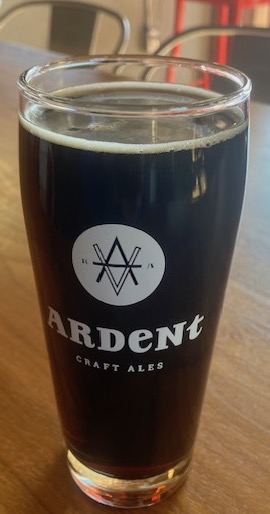
The Commander navigated us to a sunlit, stone patio where she ordered a glass of wine and I had glass of beer.

(Photo Betsy Pike)

We sat in comfort admiring the view.

Gradually, we inched our way back to the hotel.

After a respite, we walked back down to Cannery Row, and had dinner with a view of Monterey Bay at Louie Linguini.

Tonight, this trip was coming to an end.

Early tomorrow morning, we would say goodbye to this stunning California coastline and drive back to the San Francisco airport.

Thankfully, we survived the drive to the airport and the drop off of the rental car.

Inside our gate area, I stumbled upon a church friend, Susan King, who had been in San Francisco visiting a friend. Later she would get a good laugh watching me stuffing an over stuffed suitcase into an overhead bin.

Before we took off, the Captain of the plane for Breeze Airways gave what was maybe the best welcome aboard and here’s what to expect speech I’ve ever heard from a pilot.

Remnants of thundershowers were around the Richmond area as we descended into the landing pattern, but our landing was smooth.

We grabbed our bags and worked our way to the shuttle van to return us to our parked car.

The only downer of our trip unfolded between the driver of the van and an airline employee who admitted she had a lousy day.

These two individuals grumbled over where the airline employee wanted to be dropped off. The tenseness between them was disappointing.

This tiny confrontation brought me back to reality. That magnificent California coastline was far away on the other side of America.

I wonder if the personalities of the van driver and the airline employee could have been soothed by a single pretty California vista?

That’s hard to know, but I know that my old brain and soul will forever cherish what California shared with me and the Commander, the best trip planner in the world.

It might be hard to see it at times, and often we do our best to destroy it, but we still live in a beautiful world.

For that I am grateful, and I must constantly remind myself to do my part to take care of this world.

Another pretty vista from Point Lobos (Photo Bill Pike)

San Francisco Day Six: Monterey Bay Aquarium

After a good night of sleep, we were refreshed.

We wasted no time after breakfast to start our morning.

Our walk to the Monterey Bay Aquarium took us by an assortment of homes, shops, and other businesses.

Making a visit to this unique aquarium had been a goal for a long time. This is a special place. A place where imagination and ingenuity have created an environment for capturing the stories about the Pacific Ocean and its impact on these California coastal communities. And at the heart of those stories are people.

Immediately, the displays draw visitors to people.

The ‘generosity and vision’ of David and Lucile Packard sparked the development of the aquarium. Mr. Packard once said that “the ocean is the most important frontier we have.” Clearly, the aquarium gives life to his words.

Through his fiction and nonfiction writing, American author, John Steinbeck, brought to life Monterey and Cannery Row. Steinbeck wrote about the people who breathed life into economy of harvesting the bounty of the sea.

Another important person was Ed Ricketts, who is described as “an ecologist before his time.” Mr. Ricketts helped people to learn about and understand the relationships of the Pacific’s sea life and its links to the region. His early studies helped to lay the foundation for future research. Also, Mr. Ricketts was the fictional character ‘Doc’ in Steinbeck’s Cannery Row and Sweet Thursday.

Without question, visitors learn about Cannery Row. The impact of harvesting fish and bringing the catch to the cannery for processing is told from the perspective of the workers.

Here is a quote that describes what it was like: “We used to dread getting up in the morning because we worked so hard. It was cold and wet with water running under your feet the whole time—Can you imagine squeezing the guts out of fish at three or four in morning?”

Early in our visit, we learned about sea kelp and its impact on the life of this region of the Pacific.

Critical sea kelp for these California coastal waters (Photo Bill Pike)

The entire aquarium is user friendly. Displays attract all age groups, but there is a special emphasis for children.

From the brilliance of the wave machine, the interior and exterior displays of sea life, the outside vistas, the friendly and knowledgeable docents, and the use of video to present information make the aquarium uniquely qualified to help us all learn.

Stunning jellyfish (Photo Betsy Pike)

This quote from Loren Eiseley caught my attention: “If there is magic on this planet, it is contained in water.”

From our first display until our last view from an outside vista, we felt the “magic of the water” at the Monterey Bay Aquarium.

An exterior view from the aquarium (Photo Betsy Pike)

After our visit to the aquarium, we regrouped at the hotel.

We continued to explore. Our goal was to visit the Point Pinos Lighthouse.

As we drove and walked along, the blue sky, beds of flowers, combined with a shoreline of scraggy rocks worn by a relentless Pacific, made for unforgettable postcard images.

Pretty path along the Pacific (Photo Bill Pike)

Occasionally, we came across a colony of at type of burrowing ground squirrel. Clearly looking for a handout from kindhearted tourists, these creatures did not rate highly with residents of Monterey.

Unfortunately, the lighthouse was closed. But again, the rocky shoreline, the hues of the ocean’s water, the crashing waves, the glide of pelicans, and the steady progress of fishing boats heading into port made for a remarkable afternoon.

In the background the Point Pinos Lighthouse (Photo Bill Pike)

We drove back to the hotel, then took a short walk to a local dive—Sly McFly for dinner.

On our after dinner walk back to the hotel, we purchased some chocolate.

Then, we made a decision to drive back out to Asilomar State Beach with the hope of seeing the sun recline into the Pacific.

We found a good spot for watching the sun sink, but partly cloudy conditions and a light rain shower limited seeing the sun.

A slowly sinking sun (Photo Bill Pike)

Our drive back to the hotel wove us through the pretty coastal town, Pacific Grove.

Another non-stop day with lots of steps had us ready for rest.

The Monterey Bay Aquarium still swirled in my mind.

I thought again about how this magnificent facility for teaching and learning came together.

And my old brain has this reoccurring question—why can we collectively come together to create such a facility, and yet, we appear to be unable or unwilling to truly solve our ongoing challenges related to homelessness, health care, mental health needs, and food instability across America?

I wonder if we will ever fully see that contrast and commit to solving it?

(Photo Bill Pike)

Grateful for Alaska’s outstretched hand

Letter to the Editor: Grateful for Alaska’s outstretched hand

JUNEAU EMPIRE
The Voice of Alaska’s Capital Since 1912
Wednesday, July 30, 2025

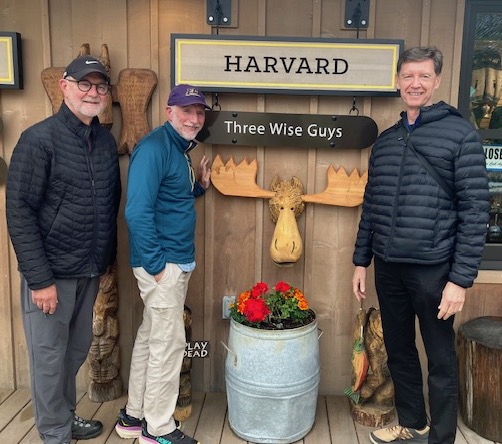
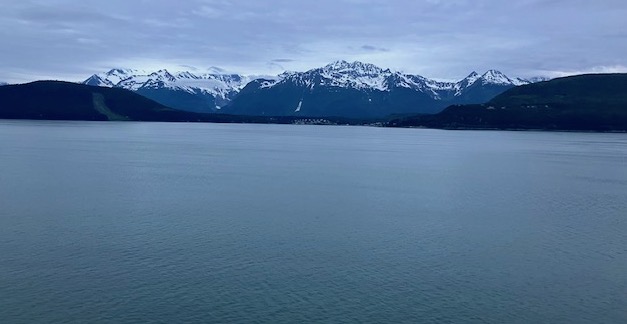
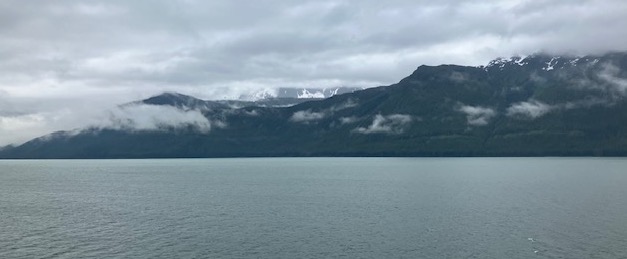
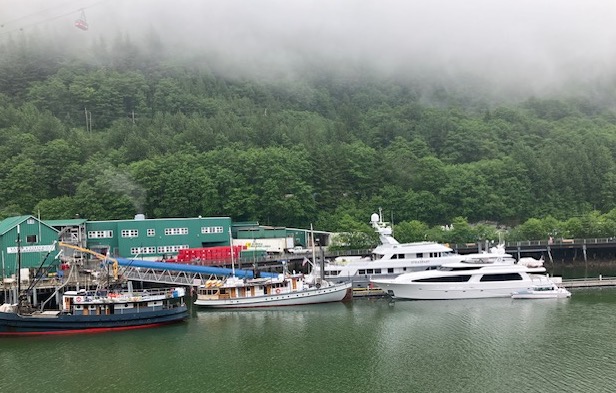
From June 29 to July 10, my wife, along with two couples from college, and I traveled into Alaska. Twelve days out from our indescribable trip, I’m still suffering from chowder withdrawal.


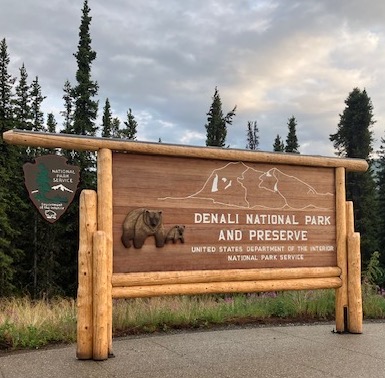
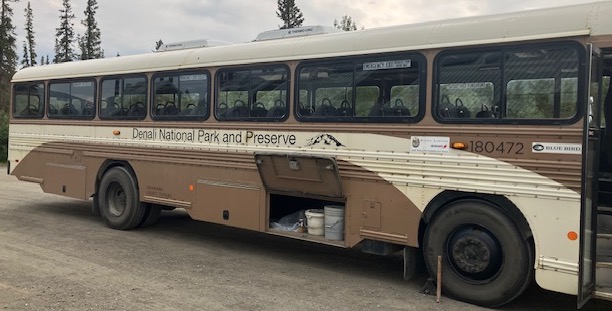
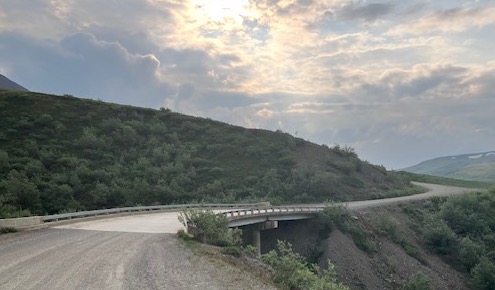
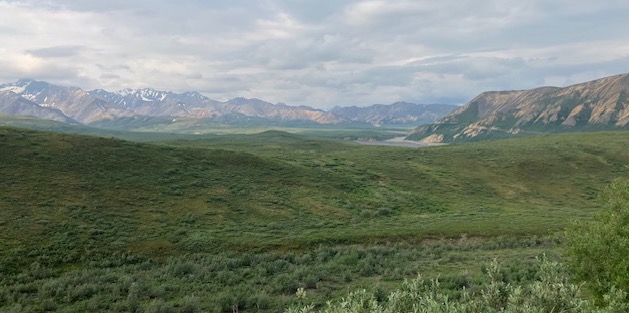
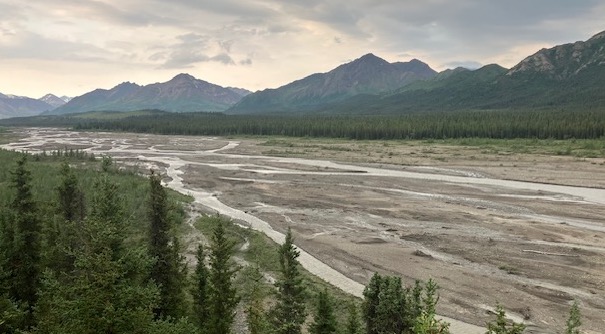
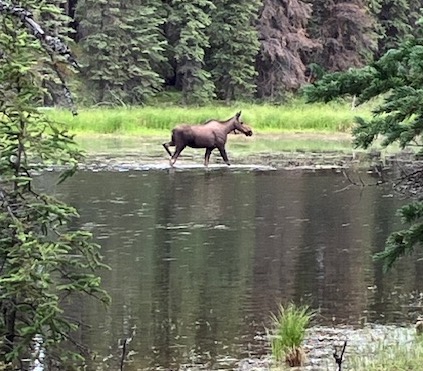
Even though Mr. Moose didn’t appear on every corner, Alaska captured us. No matter if we were on a ship, train, bus or foot, the landscape was spectacular.

Our views were enhanced from the knowledge of exceptional guides who expressed their love and respect for this cherished land. Their devotion made us appreciate even more the stories about the courage of the original settlers and their respect for their heritage.


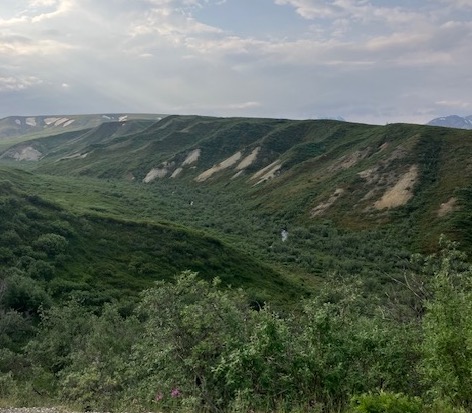
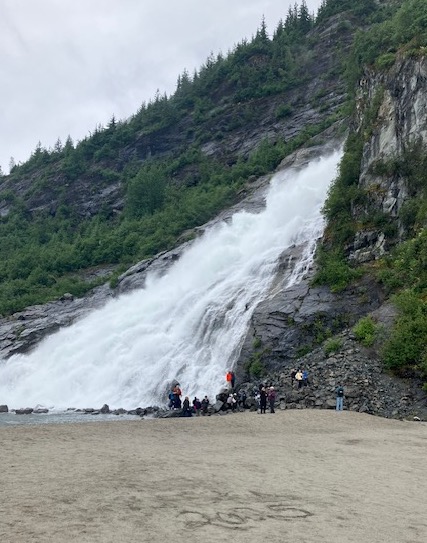
And while Denali was shy, I had ample opportunities to appreciate other snowcapped peaks, rolling rivers, cascading falls, deep forests, and the stunning blue ice of glaciers.

In Fairbanks, from so many angles, the Museum of the North really captured the spirit of Alaska and its people. It is my hope that the people of Alaska will never lose their loyalty or will to always protect this precious and priceless land.

After an early morning run along the Chena River, some of us stopped at the statue of Walter Harper. I loved the simple beauty of his outstretched hand, a hand up ready to help no matter the person or circumstances. In the short amount of time I have left in this weary old world, I hope I will become better at following Walter Harper’s heart by outstretching my hand.

Thanks Alaska for outstretching your hands to us.

Bill Pike

Author’s note: I was honored to have my Letter to the Editor published in the July 30, 2025 edition of the Juneau Times.

Statue of Walter Harper (Photo Bill Pike)

San Francisco Day Five: Point Reyes to Monterey

After breakfast, we quickly gathered our belongings and headed toward checking out.
In the parking lot, the Commander Supreme made her final checks, and our journey to the Point Reyes National Seashore started.

We traveled the back roads of California toward the visitor’s center. Wisps of low clouds, lots of twists and turns, rolling hills with pretty land, and massive redwoods greeted us. Occasionally, we encountered brave bicycle riders on these narrow roads that offered very few straight sections for easy peddling.

Upon our arrival at the Bear Valley Visitor Center in the Point Reyes National Seashore, we were greeted by a few quietly grazing deer in the rolling pastures around the building.

(Photo Bill Pike)

The visitor center has extremely helpful national park employees. No matter your questions, these knowledgeable and patient staff have the answers.

The center also has a nice layout of effective displays giving visitors a glimpse of what they might encounter during their visit.
From the visitor center, our goal was to visit the historical Point Reyes Lighthouse. The ride to the lighthouse was remarkable.
I’m sure I will repeat myself, but no matter where our eyes took us, we were greeted with striking scenery.

I didn’t expect to see beef and dairy cattle grazing on this magnificent land. But occasionally, we’d come across a weather battered farmhouse with barns and out buildings scattered around. I wondered about the loneliness that might brew in this isolated beauty.

Some of the pastures on the way to Point Reyes (Photo Bill Pike)

If you travel this road, you will come across the historic KPH Radio building. Set off the road, you will walk a straight path lined on both sides with magnificent Monterey cypress trees. This tree-lined walk toward the building will never leave your memory.

The walk toward the KPH building. (Photo Bill Pike)

It’s not long before we reach the parking area for the lighthouse.

According to the National Park Service, the Point Reyes Headlands ‘jut ten miles out to sea.’ This probe out into the Pacific Ocean creates a potential nautical challenge for ships venturing north of San Francisco.

In 1870, this lighthouse was constructed to serve as a warning to ship captains and their crews. In 1975, the United States Coast Guard put to rest the first light. A new automated light was installed adjacent to the original lighthouse.

To truly encounter this magnificent lighthouse, visitors must descend 313 steps. This requires an alert patience in going down and coming back up, but the challenge of the walk is worth it. You will not want to stop taking pictures.

The walk down. (Photo Bill Pike)

Additionally, park rangers are on site to answer questions and guide you. It is worth a chat alone to hear about the extreme weather conditions that impact Point Reyes.

Fog to the south (Photo Bill Pike)

On the steps back to the parking lot, we paused a couple of times, caught our breath, and admired the view.

(Photo Bill Pike)

We regrouped in the parking lot, and from there we made stops at Chimney Rock, South Beach, and briefly explored a trail that were an ideal habitat for elk. And in each of those treks, wildflowers greeted us.

From a trail looking toward the Pacific. (Photo Bill Pike)

Again, I reminded myself of the people who had the vision and the will to preserve this priceless national park.

Land worth preserving. (Photo Bill Pike)

As we worked our way out of the national park, we stopped at the Tavern X Market for a sandwich. After lunch, I noticed the sign ‘Happy Trails’ hanging over the parking lot exit. Hopefully, the traffic gods would grant us ‘happy trails’ during the remainder of our afternoon driving toward Monterey.

Now following an interstate route, we skirted past Oakland. From a distance, we could see its attempts to re-invent itself, though graffiti was still a dominant nuisance in some stretches.

Occasionally, the traffic snarled with slow downs, but we kept moving.

The closer to Monterey, the more frequently we began to see the impact of farming on the outskirts of the Salinas Valley. But when we left the interstate, the farming communities really came into focus. Sure there was equipment, but I was more drawn to the richness of soil.

That soil reminded me of deep shades of chocolate and roasted coffee beans contrasted with healthy rows of green. Those fields were a tribute to the artistry of the farmers and their farmhands who year after year grow our nutrition.

Approaching the city limits of Monterey, the waters of the Pacific changed the backdrop.

It was Sunday afternoon, Mother’s Day, Monterey was still restless.

Our hotel on a side street in the city came into view.

We checked in.

Friendly staff at the front desk, guided our footsteps toward the Alvarado Street Brewery for dinner.

The walk back in the cool coastal air prepped us for our collapse and sleep.

San Francisco Day Four: Angel Island

Saturday, May 10 was our transition day. We would be leaving San Francisco and exploring more of California.

Our day started with a disappointing breakfast and service at the hotel’s restaurant. Hampton Inn does breakfast better.

We checked out and made the short walk to rent the car.

This started well too. They couldn’t find the Commander’s original reservation. Once that was sorted out, the real excitement started—driving out of the city.

I only made one significant error in leaving the city, I missed the overlook stop for the Golden Gate Bridge.

From that miscue, we found our way into Tiburon. A pretty town on the bay. Here, we were to meet the Commander’s sister, Abby, husband, Art, Betsy’s niece, Ashley, husband Rob, and most importantly their precious daughter, Bridgette.

This would be the Commander’s first visit with Bridgette. She was excited.

Gradually, we all met in the designated parking lot to catch the ferry over to Angel’s Island.

The ferry ride to Angel Island is short and pretty. Views abound in every direction.

Angel Island Ferry (Photo Bill Pike)

Angel Island’s founding dates back to 1775 when the Spanish ship, San Carlos, entered San Francisco Bay.

If you make a trip to San Francisco, you must set aside time to visit Angel Island State Park. The beauty of the island and its impact on California and America are remarkable.

The island has been a “cattle ranch, U. S. Army post, from 1910-1940 the processing center for thousands of immigrants, and in World War II German and Japanese prisoners of war were held here.” (California State Parks)

Additionally, Angel Island was “a transition point for U.S. military personnel returning from the Pacific following World War II, the 50s and 60s it was the site of a Nike missile base, and today, two active Coast Guard stations make the island their home.” (California State Parks)

We opted to take a tram ride to assorted points around the island. This guided tour not only took us to remote points, but afforded us the opportunity to walk around at numerous stops. Many of the buildings from the island’s assorted uses are still in place. These snapshots into the past gave us a feel for how the immigration process worked. That important history combined with the island’s natural beauty makes quite a background for storytelling.

Assorted buildings Angel Island (Photo Bill Pike)

The shoreline is a mix of rolling hills filled with shrubs, trees, wildflowers, and rock. Most noticeable in the plant landscape is the Pride of Madeira (Echium candicans).

A stand out on the island (Photo Bill Pike)

We worked our way back to our entry point.

Soon the ferry had us back in Tiburon. Ashley and Rob led us to a waterfront restaurant, Sam’s, where we enjoyed a late lunch, and Bridgette continued to be a happy traveler.

It is always special to catch up with family, and Tiburon and Angel Island provided another pretty setting for a good visit. We said our goodbyes, and started our drive to Novato.

In Novato, we checked into our hotel. Then, we opted for some more steps as we took a short hike at the Buck Gulch Falls Trail, a part of the Ignacio Valley Open Space Preserve.

After the hike, we stopped at the HopMonk Tavern for dinner. This is basically a beer bar with live music. A very competent trio was playing, and I enjoyed a highly praised California beer, Pliny The Elder.

Our drive back to the hotel was quiet.

Tomorrow would bring another opportunity to explore a section of the California coast where we had never visited.

And that made me think more about Angel Island.

From its first Spanish explorers to the last immigrants, I wonder where they found their courage to leave their homelands and make this journey?

Immigration Bell Angel Island (Photo Bill Pike)

San Francisco Day Three: Golden State Park

My old body told me I needed to go for a run.

I put on my running gear, did some stretches, and found my way down to the lobby and out into the cool 52 degree air.

The sun was up. My goal was to run along Fisherman’s Wharf. I managed to run just past Pier 1.

This was a flat run, no challenging San Francisco hills.

Even though it was early, there was lots of activity.

Seagulls were scavenging trash bins.

I could hear the early morning squawking of the harbor seals.

Delivery workers were hustling in various spots along the wharf. Most of them could make their deliveries blindfolded.

Caretakers were hosing down entrances to dock areas, public restrooms were tidied up, and trash bins emptied.

There were runners, walkers, and bicycle riders. Some acknowledge my timid wave or quiet good morning. A few were in their zone focused, oblivious of an old fool from Virginia.

A solitary homeless man striding at a hurried pace was yelling into his phone, “I’m going to kill him, I’m going to kill him.”

I came upon the architecturally stunning San Francisco Ferry Building. This eye catching structure opened in 1898.

Before the construction of bridges, the Ferry Building was the base for the ferries that brought people in and out of the city. Today, in addition to being a smaller hub for ferries the building houses office space and a food hall.

The centerpiece for the building is a 245 foot clock tower.

I made it back to the hotel. Cleaned up, and we had breakfast.

After breakfast, we quickly organized ourselves, and headed down to meet our Uber.

It is interesting to note the differences in the personalities of the Uber drivers. I’m sure the Commander Supreme cringes, but I always attempt to chat a bit with them.

The driver this morning was friendly. However, he was more interested in pitching a ride with him to Santa Cruz. We had to refocus him on our goal for the morning— Golden State Park.

He did attempt to use music to soothe us. When we told him that we were from Virginia, he played the John Denver song “ Take Me Home Country Roads.” The lyrics mention West Virginia. I was not impressed with the driver’s smoozing.

Once we figured out our drop off point, our exploration started of this 1,017 acre park. If you travel to San Francisco, and you have a pretty day, you must come to this park. I say that because the park offers something for everyone.

Our feet did not grace all 1,017 acres, but at times we felt like we had.

Our exploration started at the de Young Museum. Here there is an amazing observation deck. Helpful museum personnel guided us to the deck. Good news, visitors can go to the observation deck for free. Admission to the museum and its exhibits is separate.

I will admit that I was powerfully tempted to tour the exhibit: Paul McCartney Photographs 1963-64: Eyes of the Storm. I passed. In walking to the museum, I had seen some of the park’s beauty. I wanted to explore and see more. Sorry, Sir Paul, maybe another time.

A tempting exhibit (Photo Bill Pike)

Twelve unique gardens make up the park. We didn’t see them all. But, the ones we saw were stunning.

Our first stop was the Japanese Tea Garden. The origins of this garden date back to 1894. The plantings, layout, and the Japanese architecture are nicely synced together.

(Photo Bill Pike)

A bonus in Golden Gate Park is the San Francisco Botanical Garden. These 55 acres featuring over 8,000 plants from around the world doesn’t disappoint. Visitors can roam from an Andean Cloud Forest to Temperate Asia.

Most impressive to me was the Redwood Trail. This section featured the Coast Redwoods. In a setting similar to a coastal redwood forest, there is a quiet respect for these majestic trees. Adding to that tranquility are over 100 species of native California plants perfectly matched in the cool shade of the redwoods.

Beautiful trunk bark of a Coast Redwood (Photo Bill Pike)

As the morning progressed, we were conscious of timing our stay for a walk to the Beach Chalet for lunch. It is a long walk to this ocean view restaurant, but worth the walk. Of course, I made the walk longer and more adventurous, when I suggested the wrong direction.

After lunch, we took a Uber back into the city to visit Amoeba Music, the world’s largest independent record store. I probably could have spent a couple of days there. I think we were out of the store in less than an hour.

Our next destination was to find the famous Painted Ladies houses. This required walking through the Panhandle an extension of Golden Gate Park. The Panhandle is pretty green space. It provides multiple locations for sun worshipers to start their tan lines before summer arrives.

Gradually, we made our way to Alamo Square, also a park where the Painted Ladies houses come into view.

The Painted Ladies are Victorian and Edwardian style houses that regained popularity in the 1960s when new owners started repainting them. Often the repainting was completed in a variety of colors as a way to enhance their architectural style. Located on Steiner Street, the houses have been seen in assorted movies, television shows, and marketing campaigns.

From here we took an Uber back to the hotel. We had a bit of quiet time before heading down to the lobby for happy hour.

A couple from Canada sat across from us. They were in San Francisco for her husband to participate in a training and transition program at Guide Dogs For The Blind. We learned a lot about this outstanding organization.

After happy hour, we opted to walk back to the Boudin Bakery for dinner.

Another hearty meal at the Boudin Bakery (Photo Bill Pike)

We had a nice dinner at Boudin, and when we arrived back at our room we were beat.

Tomorrow, we would say goodbye to San Francisco. We talked briefly about our Saturday plans including renting a car.

We had another good day of walking right at nine miles

Today was another example of admiring the vision of people to preserve and protect land that has been converted into parks for communities to enjoy.

Golden Gate Park is an outstanding example of how space can be preserved in a variety of unique ways.

I’m thankful for people who have the vision to value how land can be creatively saved for the good of all.

I hope we can hold on to these priceless places forever.

In Search of August Schell

On the evening of Thursday, July 10, 2025, our red-eye flight from Fairbanks, Alaska to Minneapolis-St. Paul to Raleigh, North Carolina was delayed.

A passenger became ill, and the plane had to taxi back to the Fairbanks terminal.

Before our early morning landing in Minnesota, our airline notified us that our connecting flight to Raleigh was delayed.

That delay gave me some hope. Hope that I might be able sample an August Schell beer in the airport. Guidance for this pursuit came from Scott Hislop, the Senior Distributor Sales Manager, for the August Schell Brewing Company.

As soon we disembarked from the plane, I stopped at each bar/restaurant in the terminal. I checked the tap handles and asked friendly employees if they carried August Schell. Their kind response was “sorry, no.”

As my wife followed her crazed husband, in the distance, in the middle of the corridor of terminal one, I saw the words Stone Arch. That was the name of the one place Scott had referenced for sampling an August Schell beer.

Stone Arch employees were busy with breakfast customers. It took a few minutes for me to flag down one of their employees who handled beverages.

Finally, a nice young man paused as I flagged him down. His hurried steps came to a halt. I explained what I was trying to accomplish. He could not have been nicer.

First, he confirmed that Schell’s Light an American lager was on tap. Additionally, he showed me two sixteen ounce cans that were available, but I opted for the draft.

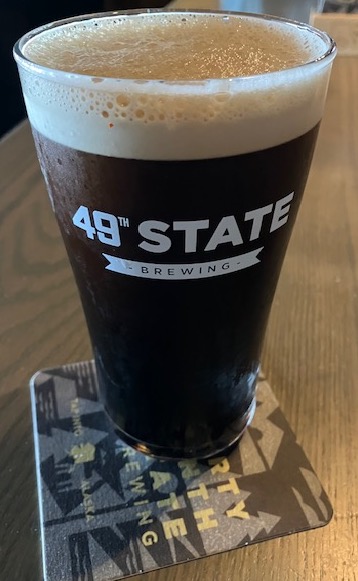
A couple of minutes later, he returned with a perfectly poured glass of Schell Light. This clear, pale lager, was full of carbonation bubbles and a thin head of foam.

While I’m not a fan of light beers, this one hit the spot at 7:20 a.m. on Friday, July 11.

I was reminded of the song “Roadhouse Blues” from the Doors’ album Morrison Hotel: “Well, I woke up this morning and I got myself a beer, the future’s uncertain and the end is always near.”

At my old age, I have never purposely abused my affection for beer. Out of respect for the beverage, I’ve worked to be doggedly rigid in my self-control when consuming beer, I’m basically—‘one and done.’

But, I will admit that for a long, long time lurking in the back of my mind were the lyrics from “Roadhouse Blues.”

So now, I can mark the drinking of an early morning beer off any unimportant bucket list.

Yet, there is a more important point, and that is Scott Hislop.

In our fast paced, impatient world, Scott took the time to respond to my original email. To me that is admirable.

I can’t tell you how many times I have sent a complimentary email to published authors. Rarely, do I receive a note of thanks back.


Scott’s response is a valuable lesson for any company small or large—that personal contact, the opportunity to build even a brief relationship with a potential consumer or customer is important.

That quick encounter with me also shows Scott’s loyalty to August Schell and its customers. No matter if they are devoted Midwestern supporters of August Schell, or a grumpy, rapidly aging geezer from Virginia passing through the Minneapolis-St. Paul airport, Scott understands the value of communication and building a relationship.

Finally, my pursuit in sampling an August Schell beer was grounded out of respect for their perseverance.

Located in New Ulm, Minnesota, August Schell is the second oldest family run brewery in America. From their beginnings, the brewery has continued to survive. In that survival, you will find risk taking combined with the ability to respect the foundation of the past with the will to adapt for the future.

Thanks Scott, and August Schell.

Schell Light (Photo by Bill Pike)

Letters to The Sun: American visitors inspired by Vancouver

Near the end of June, my wife and I travelled with college friends to Vancouver. As Americans, we appreciated your hospitality and your will to preserve precious land.

From your stunning airport terminal to our hike in Lynn Canyon, we enjoyed every footstep of our exploration. In turn, we worked to be considerate guests at every place we visited. During our visit, we saw the diversity of your city and how your community embraced a pretty June Saturday along the beaches on English Bay.


We noted similar challenges that we experience in our communities along the east coast of America — the high cost of housing, the struggles of the homeless, maintaining infrastructure, and the snarls of traffic. No community is immune from those challenges.


I will never forget my early morning run along the Stanley Park seawall. Captured forever are four herons gathered on a point, the scattered purple pieces of mussel shells on a soundless beach, magnificent trees, and the quiet exchange of “good mornings” with fellow runners and walkers.


As much as I will cherish that run, my old heart will value even more a discovery we made in Stanley Park on our last morning in Vancouver. I know nothing about the qualities of Governor-General Lord Stanley, but I loved the vision of his words on his statue in the park: “To the use and enjoyment of people of all colours, creeds, and customs for all time.”


That is a powerful and visionary statement for 1889. Sadly, in the United States, that foresight continues to erode from our thinking.

In the time I have remaining in this cantankerous old world, I plan to share Lord Stanley’s wisdom as a reminder to everyone in my community that as Americans, we have an obligation to support “people of all colours, creeds, and customs for all time.”

Thanks, Vancouver, for the reminder.

Bill Pike, Richmond, Virginia

Author’s note: From June 25-July 10, 2025, my wife and I had the privilege of traveling with dear friends from college to Vancouver, Canada and Alaska. I was honored to have this letter published in the Vancouver Sun newspaper on July 8, 2025.

Statue of Lord Stanley (Photo Bill Pike)